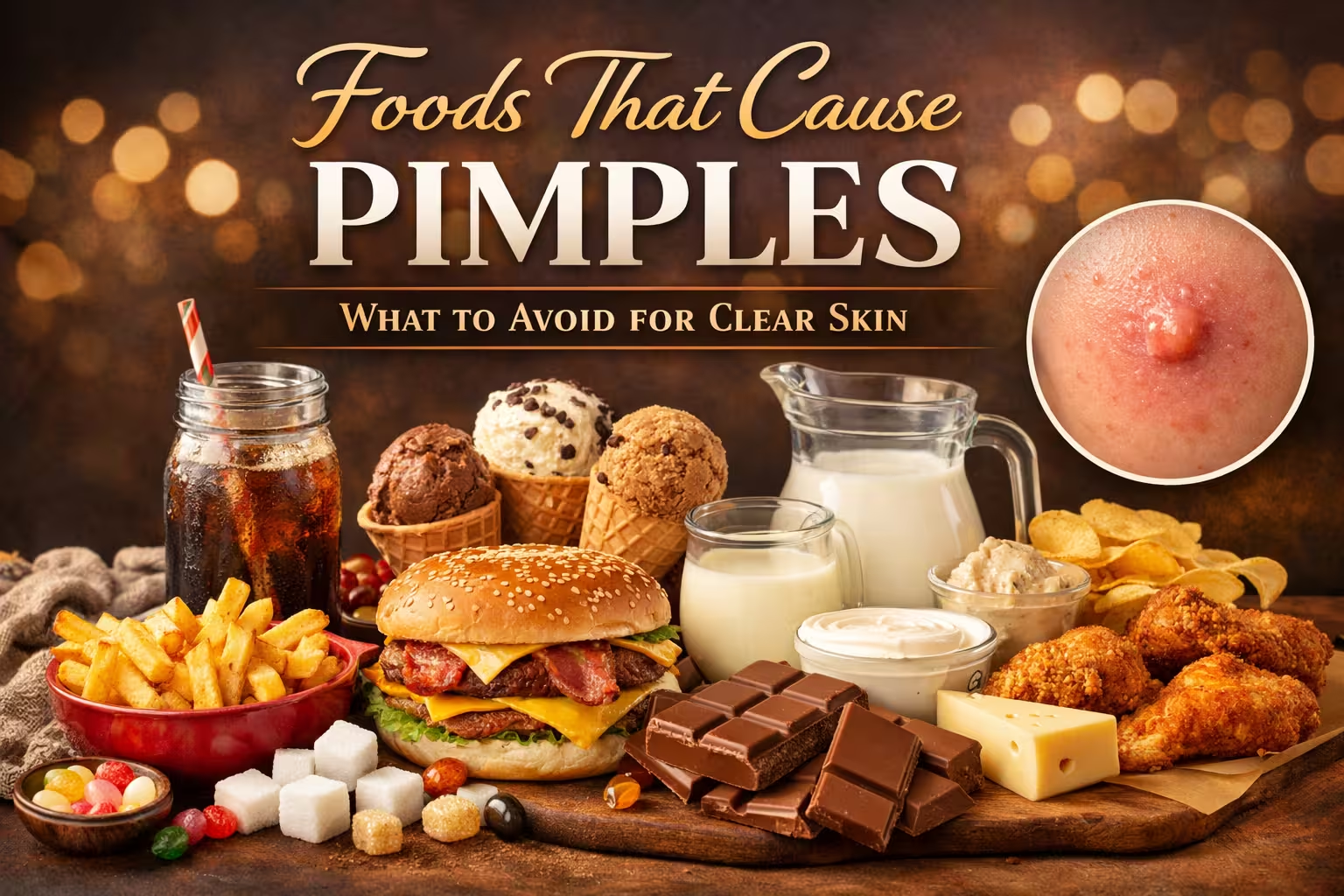
Foods that cause pimples might be the hidden reason your breakouts just won’t go away. You cleanse your face daily, use the right products, and follow a proper skincare routine—yet the pimples keep coming back.
If this feels familiar, your skin could be signaling something your mirror can’t reveal: the real issue may lie in your diet, not just on your face.
In my 18 years of clinical practice as a trichologist and cosmetologist, I have worked with hundreds of patients who struggled with stubborn acne despite doing everything right skincare-wise. In a significant number of those cases, the first real breakthrough came not from a new cream or treatment — it came from changing what they ate.
Certain foods that cause pimples do so by triggering inflammation, spiking insulin levels, disturbing hormonal balance, and increasing oil production in the skin. This is not opinion — it is science, and it is something dermatologists and skin physicians have been documenting for years.
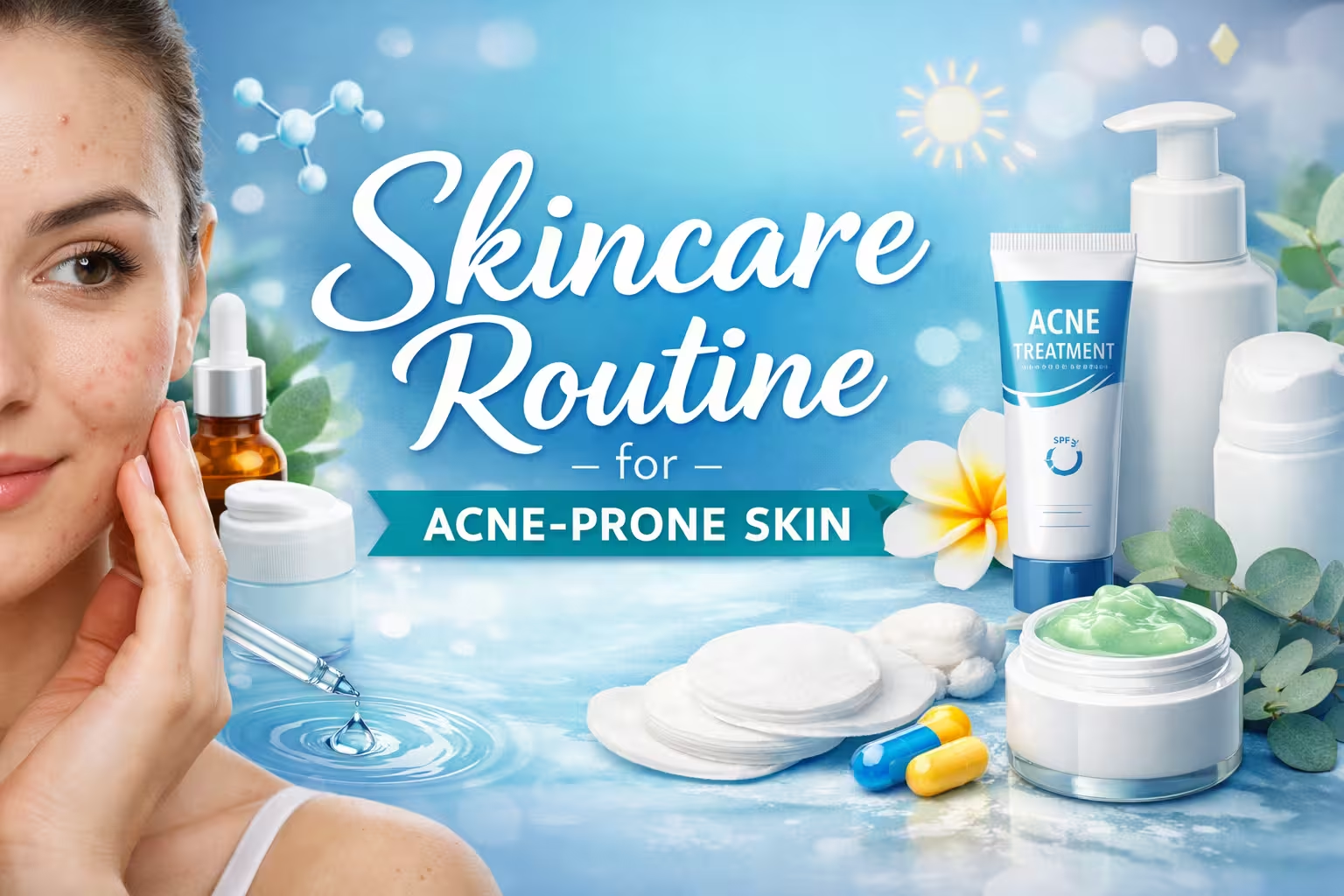
Consider To Read: Best Skincare Routine for Acne Prone Skin: Step-by-Step Guide to Clearer, Healthier Skin
In this guide, I will walk you through the 10 most common acne-causing foods, explain exactly why each one affects your skin, and show you what to eat instead. Think of this as your diet prescription for clearer skin.
How Do Foods Actually Cause Pimples?
Before we look at the specific foods, let me explain the science in simple terms. Understanding why food causes acne helps you make smarter choices — not just follow a list.
Pimples form when the pores in your skin get clogged with excess oil (sebum), dead skin cells, and bacteria. What most people do not realise is that what you eat directly influences how much oil your skin produces, how inflamed your skin becomes, and how aggressively your hormones behave.
Here are the three main ways food triggers acne:
| Mechanism | How It Leads to Pimples |
|---|---|
| Blood Sugar Spikes | High-sugar and high-glycemic foods cause insulin to spike, which triggers oil glands to produce more sebum — leading to clogged pores and breakouts. |
| Hormonal Disruption | Dairy and certain processed foods contain hormones that interfere with your body’s natural hormone balance, increasing androgen activity and oil production. |
| Inflammation | Fried foods, junk food, and processed snacks increase systemic inflammation in the body, which makes acne more severe and harder to heal. |
| Gut Imbalance | A poor diet disrupts gut bacteria, which is directly linked to skin health through what dermatologists call the gut-skin axis. |
Now let us look at the specific foods that are most likely causing your breakouts.
10 Foods That Cause Pimples — And Why
🍭 #1 Sugar and High-Glycemic Foods
The #1 dietary trigger for acne
Why it causes pimples: High-glycemic foods spike blood sugar rapidly, increasing insulin levels and sebum production.
Examples: White bread, soda, pastries
🥛 #2 Dairy Products
Why: Hormones increase oil production.
🍫 #3 Chocolate
Why: Sugar + dairy combo triggers acne.
🍟 #4 Fried Foods
Why: Causes inflammation.
| Avoid | Replace With |
|---|---|
| White bread | Whole grains |
| Milk | Almond milk |
| Fried snacks | Baked snacks |
Doctor’s note: Even small dietary changes can visibly improve acne within 4–6 weeks.
Diet Tips to Prevent Pimples — A Doctor’s Practical Advice
Here is what I tell every acne patient who walks into my clinic about diet:
- Start a food diary for 2 weeks. Write down what you eat and note when breakouts appear. Patterns will emerge — your skin will tell you exactly which food is your personal trigger.
- Eliminate one trigger at a time. Do not change everything at once. Remove one suspect food for 4 weeks and observe. This is how you identify your specific triggers.
- Never skip meals. Skipping meals causes blood sugar to drop and then spike sharply when you do eat — this insulin rollercoaster directly worsens acne.
- Hydrate consistently. Eight or more glasses of water daily is not negotiable for acne-prone skin. Dehydration is a silent acne aggravator.
- Cook at home more often. Home-cooked food gives you control over ingredients. Restaurant and processed food hides sugar, salt, and refined oils that you cannot see.
- Do not fear all fats. Healthy fats from avocado, olive oil, nuts, and fish actually reduce inflammation. It is trans fats and fried oils that cause problems.
- Be patient. Skin takes 4 to 8 weeks to reflect dietary changes. This is not a quick fix — it is a long-term investment in your skin health.
Here you can find out How to Treat Acne Naturally.
Common Mistakes People Make When Trying to Eat for Clear Skin
- Cutting out everything at once — This is unsustainable and makes it impossible to identify your actual trigger. Change one food group at a time.
- Thinking diet alone will fix severe acne — Diet is one part of the solution. Severe acne needs professional treatment alongside dietary changes. Please see a qualified skin physician.
- Replacing dairy with sugary alternatives — Flavoured oat milk or sweetened almond milk can have as much sugar as a soft drink. Choose unsweetened versions.
- Giving up after 2 weeks without results — Skin cell turnover takes 28 days minimum. Most dietary changes take 6 to 8 weeks to show visible results on the face. Patience is essential.
- Assuming diet is the only cause of their acne — Stress, hormonal conditions, wrong skincare products, and genetics also play significant roles. A holistic approach gives the best results.
Frequently Asked Questions
Here are the most common questions I receive about foods that cause pimples and the diet-acne connection:
Based on clinical evidence and my 18 years of patient experience, the top acne-causing foods are: sugar and high-glycemic foods, dairy products, whey protein, fried and junk food, and processed foods. These consistently show up as triggers in acne patients across age groups.
Milk chocolate — yes, significantly. It combines two major triggers: dairy and sugar. Dark chocolate with 70% or more cocoa content has a much weaker link to acne. If you notice breakouts after eating chocolate, switch to dark chocolate in small quantities and see if the pattern changes.
Yes, there is strong clinical and research evidence linking dairy to acne — particularly hormonal acne along the jawline and chin. Dairy contains natural hormones including IGF-1 that stimulate oil glands. Skim milk is actually more problematic than whole milk in terms of acne trigger. I recommend a 4 to 6 week dairy elimination trial for patients with persistent hormonal acne.
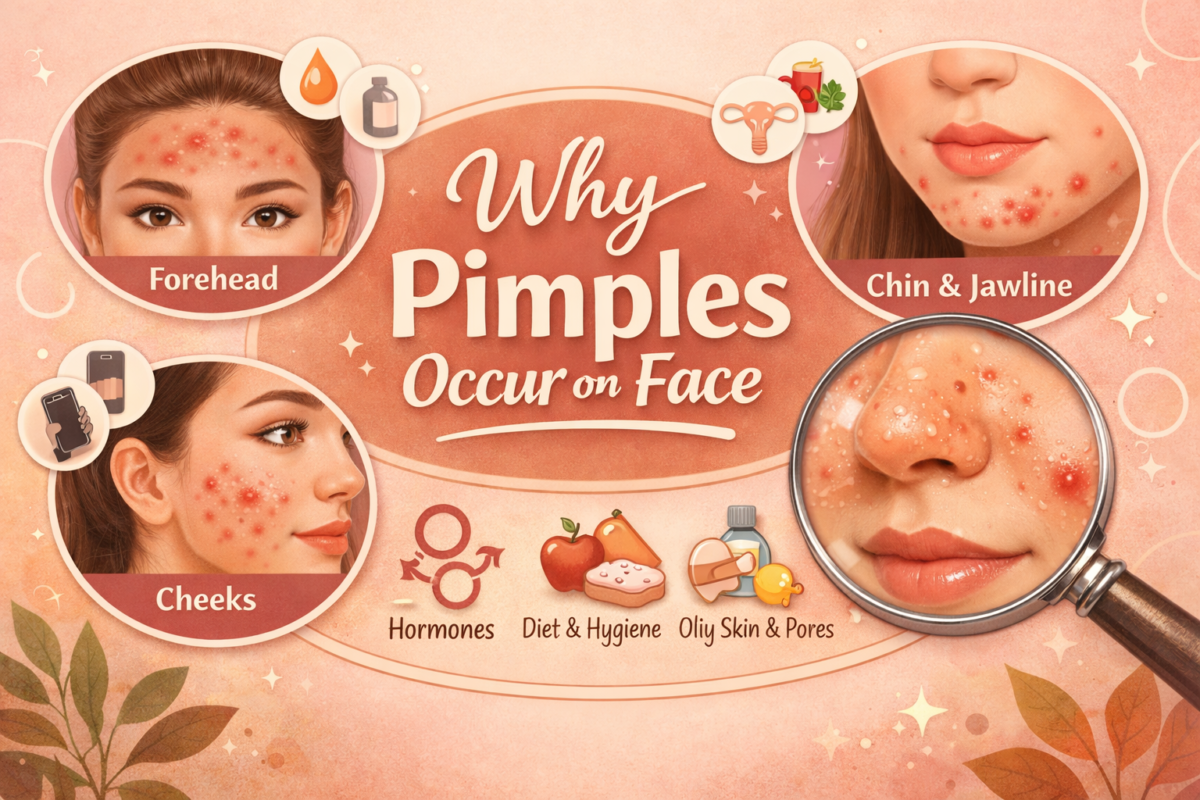
Foods that cause hormonal acne are primarily those that spike insulin or introduce external hormones into the body. These include dairy, high-sugar foods, whey protein, and refined carbohydrates. Hormonal acne typically appears on the lower face — jawline, chin, and neck — and tends to be deeper, more painful, and cyclical in nature.
Eating oily food does not directly transfer oil to your face, but it does trigger internal inflammation and increase sebum production through its effect on insulin and inflammatory pathways. Consistently eating fried and oily food is linked to more severe, more inflamed acne — particularly on the cheeks and forehead.
For some people, yes. Spicy food increases body heat, triggers sweating, and raises cortisol slightly — all of which can aggravate existing acne. It is more of an aggravator than a root cause. If you are already acne-prone, frequent consumption of very spicy food can worsen breakouts. Mild to moderate spice is generally fine for most skin types.
Yes — and this is one of the most well-supported links in dermatological research. High sugar intake causes insulin spikes, which directly increases sebum production and inflammation in the skin. Even naturally occurring high-sugar foods like fruit juice in excess can contribute. Reducing added sugar is one of the most impactful dietary changes an acne patient can make.
If I had to choose one, it would be high-glycemic foods combined with dairy — which is exactly what a bowl of sugary cereal with milk represents. This combination spikes insulin, introduces dairy hormones, and feeds inflammation simultaneously. For most acne patients, this combination is their single biggest dietary trigger.
Typically 24 to 72 hours. Acne does not appear instantly after a meal — it forms over days as oil production increases, pores clog, and bacteria multiply. This delayed response is why many people do not connect their breakouts to what they ate. Keeping a food diary for 2 weeks is the most reliable way to identify your personal triggers.
Diet is a powerful tool — but acne is multi-factorial. For mild to moderate acne, dietary changes alone can make a significant and sometimes complete difference. For moderate to severe acne, diet should work alongside professional medical treatment, a proper skincare routine, and stress management. Please consult a qualified skin physician for a personalised plan.
Final Words:
I want you to leave this article with one clear message: your skin and your diet are not separate conversations. They are the same conversation.
The foods you eat every day either feed inflammation and oil production — or they fight it. Sugar, dairy, fried food, junk food, and processed snacks are quietly working against your skin. Vegetables, water, omega-3 rich foods, probiotics, and whole grains are quietly working for it.
You do not need to follow a perfect diet. You do not need to eliminate every enjoyable food from your life. What you need is awareness. Know which foods that cause pimples are most relevant to your specific skin, reduce them meaningfully, and replace them with better alternatives.
Give it 6 weeks. Be consistent. Your skin will reflect what you eat — and when you eat right, the reflection will be one you are proud of.
And if you are dealing with stubborn, persistent acne that does not respond to diet and skincare changes, please do not guess and self-treat. Visit a qualified skin physician. After 18 years of treating acne patients, I can tell you — the right professional guidance changes everything.