
Pimples are one of the most frustrating skin concerns I see in my clinic — and one of the most misunderstood. So lets find out why pimples occour on face?
Whether you are a teenager dealing with your first breakout, an adult suddenly getting pimples in your 30s, or someone who has been struggling with acne for years — the question is always the same:
“Why do pimples keep appearing on my face? What am I doing wrong?”
Understanding why pimples occur on face is the first and most important step toward preventing them. In 18 years of clinical practice as a trichologist and cosmetologist,
I have treated hundreds of patients with acne — and the answer is almost never just one thing. The causes of pimples on face are layered: they involve your skin biology, your hormones, your lifestyle, your diet, and sometimes even your skincare products.
Heres my detailed guide on Acne Treatment.
In this article, I am going to explain everything you need to know — in plain, simple language. No complicated medical terms. Just clear, honest answers from a doctor who has seen it all.
What Is a Pimple? Understanding the Basics
Before we talk about why pimples occur on face, let us understand what a pimple actually is at a biological level.
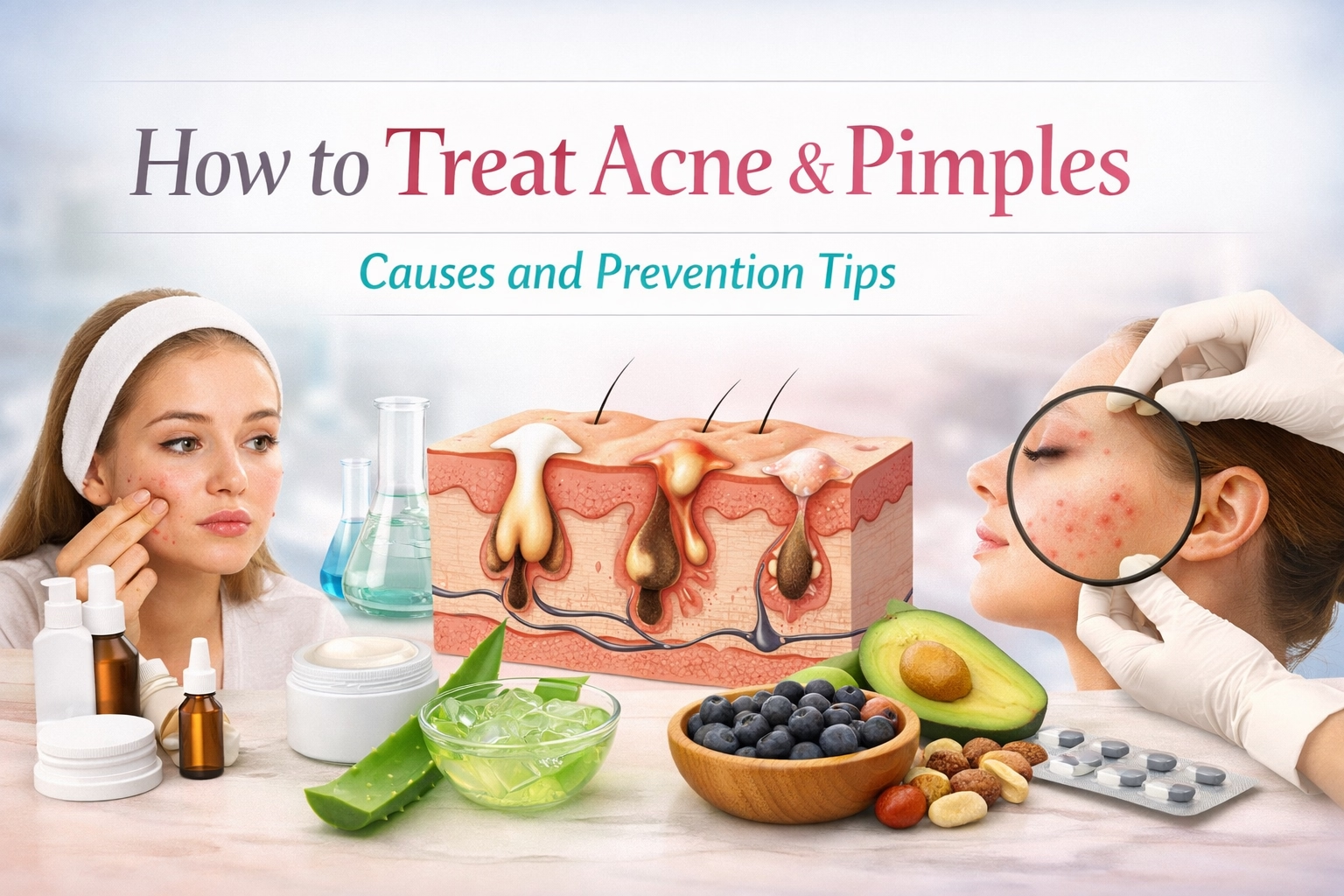
Your skin contains millions of tiny pores. Each pore is connected to a sebaceous gland — a small gland that produces an oily substance called sebum. Sebum is not your enemy. It is actually essential — it keeps your skin moisturised and acts as a natural barrier against bacteria and environmental damage.
A pimple forms when a pore gets blocked. This is what happens step by step:
This process explains why pimples appear on face — and also why simply squeezing them makes things worse. When you squeeze a pimple, you push bacteria and inflammation deeper into the skin, often creating a bigger, more painful blemish.
What Causes Pimples on Face? The Complete Answer
There is no single cause of pimples. In my clinic, I always tell patients: acne is a combination problem. Understanding all the contributing factors is what allows us to treat it properly. Here are the main reasons for pimples on face:
1. Excess Sebum Production (Oily Skin)
Oily skin is the most common physical reason why pimples occur on face. When your sebaceous glands produce more oil than your skin needs, that excess oil mixes with dead skin cells and blocks your pores.
People with naturally oily skin are more prone to pimples — especially in the T-zone area: forehead, nose, and chin, where sebaceous glands are most concentrated.
However, oily skin alone does not cause pimples. It is only a problem when combined with other triggers like bacteria, hormonal changes, or poor skincare habits.
2. Clogged Pores
Clogged pores are the direct cause of every pimple. Pores get clogged when dead skin cells, excess oil, pollution particles, makeup residue, or sweat block the opening of the pore.
One of the biggest skincare mistakes I see is not cleansing properly at night. Every day, your skin collects pollution, sunscreen, sweat, and environmental debris. If this is not cleaned away at night, it builds up inside the pores over days and weeks — leading directly to breakouts.
3. Bacterial Growth
Cutibacterium acnes (C. acnes) is a bacteria that naturally lives on everyone’s skin. In normal amounts, it is harmless. But when a pore gets blocked and oxygen is cut off, C. acnes multiplies rapidly inside the blocked pore.
This triggers your immune system to respond with inflammation — resulting in the red, swollen, painful pimples we all recognise. This is why what causes pimples on face is partly a biological response, not just a hygiene issue.
4. Hormonal Imbalance
Hormones are one of the most powerful drivers of acne — and one of the most overlooked by patients who just keep changing their skincare products without seeing improvement.
Androgens — hormones like testosterone present in both males and females — directly stimulate the sebaceous glands to produce more oil. When androgen levels rise, sebum production increases, and the risk of clogged pores and pimples goes up significantly.
This is why pimples occur so commonly during:
- Puberty — when androgen levels surge for the first time
- Menstrual cycle — hormonal fluctuations before and during periods trigger breakouts
- Pregnancy — significant hormonal shifts affect sebum production
- Polycystic Ovarian Syndrome (PCOS) — elevated androgens cause persistent adult acne
- Menopause — changing oestrogen and androgen ratios cause new breakouts in women
5. Diet and Food Triggers
The link between diet and pimples is something I discuss with every patient. While food alone rarely causes acne, it absolutely can trigger and worsen breakouts in people who are already prone to them.
Foods most commonly associated with pimples:
The solution is not to eliminate all these foods forever. It is to observe your own skin’s reactions, reduce the biggest triggers, and focus on an anti-inflammatory diet rich in vegetables, fruits, and water.
6. Stress
Stress is a pimple trigger that most people dramatically underestimate. When you are under stress — physical or emotional — your body releases a hormone called cortisol. Cortisol directly stimulates your sebaceous glands to produce more oil.
This is why many people notice pimples suddenly appearing before important events, during exam periods, or in times of personal difficulty. The skin is reacting to an internal hormonal response, not just an external one.
Managing stress through sleep, exercise, mindfulness, or anything that helps you decompress is genuinely part of treating pimples due to stress — not just a nice idea.
7. Wrong Skincare Products
This is one I see constantly in my clinic. Patients using the wrong products for their skin type — heavy, comedogenic (pore-clogging) creams on oily skin, harsh cleansers that strip the skin barrier, or multiple actives that cause irritation — are unknowingly making their acne worse.
Even some sunscreens, foundations, and moisturisers that contain certain oils or silicones can clog pores. Always check if a product is labelled non-comedogenic — especially if you are prone to breakouts.
Hormonal Changes That Cause Pimples
Because hormonal imbalance is such a major driver of acne, I want to dedicate a full section to it. Understanding your hormonal triggers is often the missing piece for people who have tried everything and still get pimples.
Why Pimples Occur on Different Areas of the Face
One of the most useful things I teach my patients is face mapping — the idea that where your pimples appear on the face often gives clues about what is causing them. While it is not a perfect diagnostic tool, it is a helpful starting point.
What Pimples on Different Parts of Your Face Mean
🧠 Forehead
Why pimples occur here: The forehead is part of the T-zone, which contains a high concentration of sebaceous glands. Pimples here are commonly linked to excess oil production, hair products such as oils and serums dripping onto the forehead, not cleansing the hairline properly, stress, and sometimes digestive issues.
What to do: Cleanse the hairline thoroughly at night, use oil-free hair products, manage stress levels, and stay well hydrated.
🪜 Cheeks
Why pimples occur here: Cheek pimples are often linked to external contact — pressing your phone against your face, touching your cheeks with your hands, dirty pillowcases, or using heavy comedogenic skincare products. Diet and digestive health can also play a role.
What to do: Clean your phone screen daily, change pillowcases twice a week, avoid touching your face frequently, and review your moisturiser or foundation for pore-clogging ingredients.
🦷 Chin & Jawline
Why pimples occur here: Pimples on the chin and jawline are the classic sign of hormonal acne. They are especially common in adult women and are often linked to the menstrual cycle, PCOS, or elevated androgen levels. These pimples tend to be deep, cystic, painful, and often recur in the same spots.
What to do: If pimples repeatedly appear on your chin and jaw before your period or persist throughout the month, consult a doctor for a hormonal assessment. Topical products alone cannot resolve a hormonal root cause.
👃 Nose
Why pimples occur here: The nose is typically the oiliest part of the face. Blackheads and whiteheads here are caused by excess sebum production and enlarged pores. The pores around the nose are easily clogged by makeup, sunscreen, sweat, and environmental debris.
What to do: Use a gentle BHA (salicylic acid) cleanser around the nose area, avoid excessive squeezing of blackheads, keep the pores clean, and use a non-comedogenic sunscreen.
Lifestyle Habits That Trigger Pimples
Beyond biology and hormones, daily lifestyle choices play a significant role in why pimples appear on face. These are habits I review with every patient:
- Poor sleep — During sleep, your body repairs skin cells and regulates stress hormones. Chronic sleep deprivation raises cortisol levels and worsens acne.
- Not drinking enough water — Dehydration causes skin to overproduce oil to compensate for lost moisture. Drink at least 8 glasses of water a day.
- Sweating without cleansing — Exercise-induced sweat is healthy, but sweat sitting on the face mixed with sunscreen and pollution becomes a recipe for clogged pores. Always cleanse after a workout.
- Touching your face — Your hands carry bacteria, pollution, and oil. Every time you touch your face, you are transferring these to your pores.
- Dirty phone screens — Your phone screen collects bacteria, oil, and dead skin cells every day. Pressing it against your cheek transfers all of this directly to your face.
- Smoking — Smoking reduces oxygen to the skin, impairs healing, and is associated with a specific type of non-inflammatory acne that is hard to treat.
Skincare Mistakes That Cause Pimples
Some of the most common reasons for pimples on face are actually things people do thinking they are helping their skin. Here are the skincare mistakes I see most often:
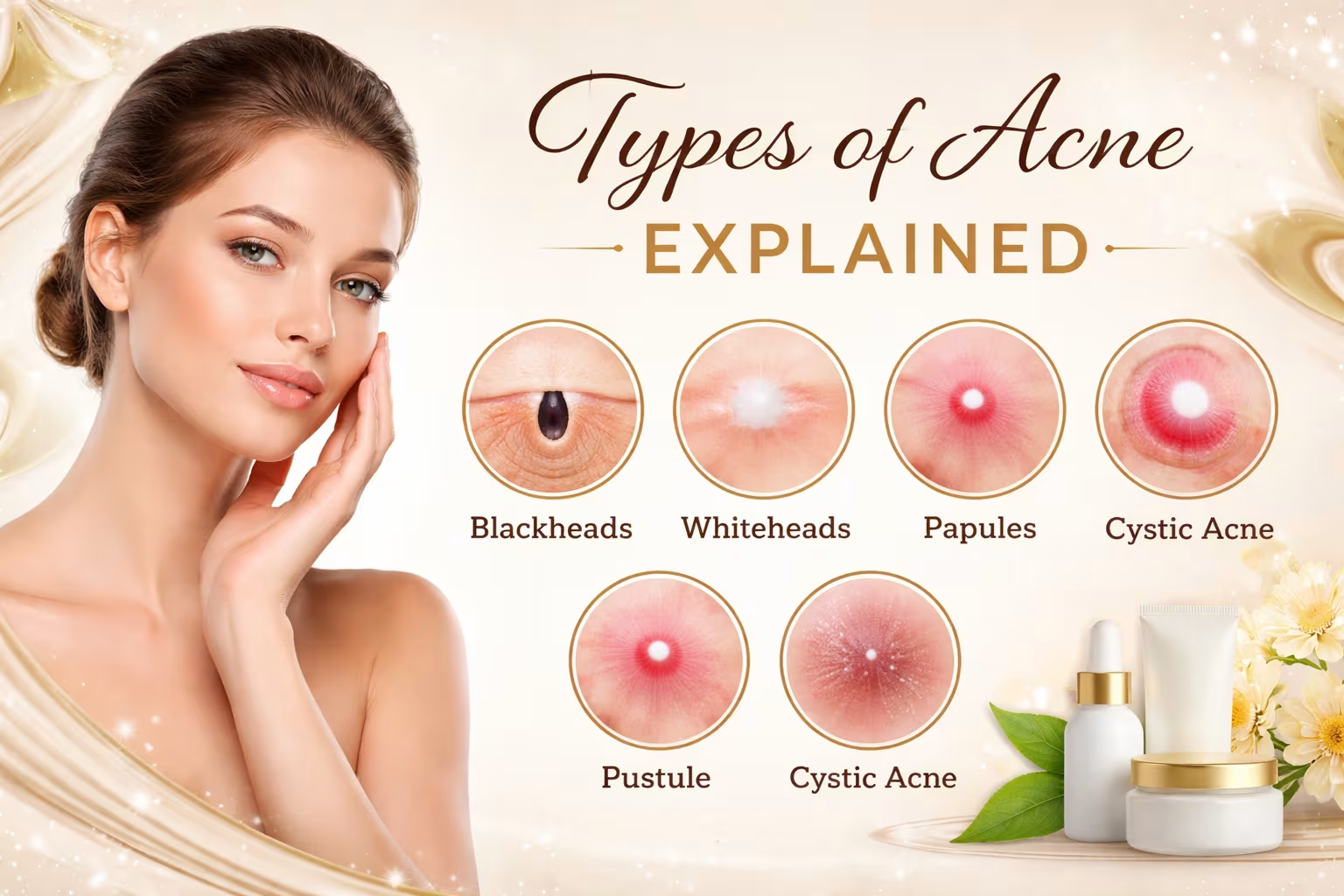
Common Types of Pimples on Face
Not all pimples are the same, and identifying the type of pimple you have helps determine the right treatment. Here is a quick guide:
Best Ingredients to Treat and Prevent Pimples
Once we understand what causes pimples on face, we can choose the right ingredients to address them. Here are the clinically proven ingredients I recommend to my patients:
How to Prevent Pimples on Face: A Simple Daily Routine
Prevention is always easier than treatment. Here is the acne-prevention routine I recommend to patients who are prone to pimples:
Morning Routine:
- Gentle, sulfate-free face wash — Remove overnight oil without over-stripping
- Lightweight, oil-free moisturiser — Hydrate without blocking pores
- Non-comedogenic SPF 30+ sunscreen — Protect skin and prevent post-pimple darkening
Night Routine:
- Double cleanse if you wore makeup or sunscreen — Oil cleanser first, then a gentle face wash
- Salicylic acid toner or serum (2-3 nights a week) — Keeps pores clear without over-drying
- Niacinamide serum — Calms sebum, reduces redness and pore size
- Lightweight moisturiser or Aloe Vera gel — Heal and hydrate overnight
Weekly:
- Gentle exfoliation (1-2 times) — Remove dead skin cell buildup before it clogs pores
- Clean your pillowcase — Fresh fabric reduces bacteria transfer to your face
At Dr Sufis Wellness, our Aloe Vera Soothing Gel is an excellent lightweight night moisturiser for acne-prone skin — it hydrates, calms inflammation, and does not clog pores. Paired with our Hydrating Night Cream for drier skin types, your skin gets overnight repair without any pore-blocking ingredients.
Additional Tips to Prevent Pimples Naturally
Beyond your daily routine, these lifestyle changes make a significant difference in reducing why pimples occur on face:
- Drink 8 to 10 glasses of water daily — internal hydration reduces excess sebum
- Eat more anti-inflammatory foods — vegetables, fruits, omega-3 rich fish, and nuts
- Reduce high-sugar, high-dairy, and fried foods if you notice they trigger your breakouts
- Sleep 7 to 8 hours every night — this is when your skin repairs itself
- Exercise regularly — it reduces stress hormones and improves blood circulation to the skin
- Never touch your face with unwashed hands
- Clean your phone screen with an antibacterial wipe every day
- Change your pillowcase at least twice a week
- Manage stress through whatever works for you — exercise, meditation, rest, creative activities
Frequently Asked Questions
Here are the questions about pimples I am asked most often — by my patients and by people searching online:
1. Why do pimples suddenly appear on face?
Sudden pimples are almost always triggered by a change in something: a new product that is clogging your pores, a hormonal shift (upcoming period, stress, illness), a dietary change, or an increase in stress levels. When pimples appear suddenly, I ask patients to review what changed in the past 2 to 4 weeks — the answer is usually there.
2. Why do adults get pimples on face?
Adult acne is extremely common and is one of the most frequent concerns in my clinic. The main causes of pimples in adults are hormonal imbalances (especially in women with PCOS or menstrual irregularities), chronic stress, dietary triggers, comedogenic skincare products, and delayed effects of habits from earlier years. Adult acne is often hormonal in nature and requires a different treatment approach than teenage acne.
3. Why pimples occur on chin and jawline?
Chin and jawline pimples are the classic pattern of hormonal acne. They are driven by androgen hormones and are especially common in adult women, often appearing cyclically around the menstrual period. If this pattern describes your pimples, a doctor should evaluate your hormone levels rather than trying to treat it with topical products alone.
4. Can diet cause pimples on face?
Yes — though diet is a trigger rather than the sole cause. High-glycaemic foods, excess dairy, and fried or sugary foods can worsen acne in people who are already prone to it. I recommend that patients keep a food journal to identify their personal triggers, then reduce those foods while increasing water intake and anti-inflammatory foods.
5. Why do pimples occur on forehead?
Forehead pimples are usually linked to excess oil production in the T-zone, hair product residue dripping onto the forehead, not cleansing the hairline properly, stress, or digestive issues. Switching to oil-free hair products and cleansing the hairline at night resolves many forehead breakouts.
6. Why do pimples occur on cheeks?
Cheek pimples are most commonly caused by external contact — a dirty phone screen pressed against the face, hands touching the cheeks, an unwashed pillowcase, or heavy skincare products and foundations that clog pores. Reviewing these contact points typically reveals the cause.
7. Why do pimples occur in adults over 30?
Acne in adults over 30 is almost always hormonally driven or linked to a combination of stress, lifestyle factors, and wrong skincare products. For women, hormonal changes related to menstrual cycles, perimenopause, or conditions like PCOS are common causes. For men, stress and dietary habits are the most frequent drivers.
8. Does stress really cause pimples?
Yes — stress raises cortisol levels, which directly stimulates sebaceous glands to produce more oil. This is a well-established physiological mechanism. Managing stress is a genuine medical recommendation for acne-prone patients, not just general wellness advice.
9. Why do pimples occur on nose?
The nose is the oiliest part of the face and has the most concentrated sebaceous glands. Blackheads are especially common here because the pores are large and easily blocked by oil, sunscreen, and makeup. Gentle use of salicylic acid around the nose, combined with regular cleansing and non-comedogenic products, helps prevent nose pimples.
10. How can I stop pimples from coming back?
Preventing recurrence requires addressing the root cause — not just treating each pimple as it appears. This means: identifying whether your triggers are hormonal, dietary, lifestyle-related, or product-related; building a consistent non-comedogenic skincare routine; managing stress; staying hydrated; and if necessary, seeking medical evaluation for hormonal issues. Pimples that keep returning in the same spots, especially on the chin and jaw, almost always have a hormonal component that needs clinical attention.
Final Words
After 18 years of treating acne patients, the one thing I want every reader to take away from this article is this:
Pimples are not your fault. They are not a sign of poor hygiene. And they are almost never caused by just one thing.
Understanding why pimples occur on face — the biology, the hormones, the lifestyle triggers, the skincare mistakes — gives you real power to prevent them. Not by trying every product on the market, but by addressing the actual causes.
For most people, a simple consistent skincare routine, a few lifestyle adjustments, and an understanding of their personal triggers is enough to see a dramatic improvement. For others — especially those with persistent hormonal or cystic acne — a proper clinical assessment makes all the difference.
Your skin is telling you something. Learn to listen to it — and respond with the right care, not just more products.
If you are struggling with persistent pimples and need personalised guidance, the team at Dr Sufis Wellness is here to help.