Struggling with stubborn pimple marks long after a breakout has healed? You are not alone. Knowing how to remove pimple marks is one of the most searched skincare concerns worldwide, and for good reason — these marks can linger for weeks or even months.
Whether you are looking to remove acne scars fast, find the best treatment for pimple marks, or simply explore safe and effective pimple marks removal at home, this guide covers everything you need to know.
From tried-and-tested home remedies to dermatologist-recommended treatments, this complete guide will walk you through how to get rid of acne marks naturally and scientifically. Read on to discover practical, evidence-backed solutions that suit every skin type and budget.
Types of Pimple Marks & How to Identify Them
Not all pimple marks are the same. Before you choose a treatment, it is important to understand what type of mark you are dealing with. Here is a breakdown of the most common types:
Post-Inflammatory Hyperpigmentation (PIH): This is the most common type. Post-inflammatory hyperpigmentation appears as flat dark spots after pimples heal. The skin overproduces melanin in response to inflammation, leaving behind pigmentation after acne that can range from light brown to deep purple.
Red Acne Marks (Post-Inflammatory Erythema): Red acne marks occur when damaged blood vessels leave a pinkish or red discolouration on the skin, especially common in lighter skin tones.
Acne Scars vs Acne Marks: This is a crucial distinction. Acne marks are temporary discolouration with no change in skin texture. Acne scars, on the other hand, involve a permanent change in skin texture — either raised (hypertrophic) or sunken (atrophic/icepick). The treatment approach differs significantly.
“`html| Feature | Acne Marks | Acne Scars |
|---|---|---|
| Texture | Flat | Raised or indented |
| Permanence | Temporary (fades in weeks-months) | Permanent (needs treatment) |
| Type | Discolouration only | Structural skin damage |
| Treatment | Topicals, home remedies | Medical/clinical procedures |
Why Do Pimple Marks Appear?
Understanding the root causes of pimple marks can help you prevent them from forming in the first place. Here are the key reasons:
- Picking pimples causes scars and marks — this is the single biggest trigger. When you pop or squeeze a pimple, you damage the surrounding skin tissue and push bacteria deeper, worsening inflammation and increasing the risk of lasting pigmentation.
- Inflammation leads to acne marks because it triggers excess melanin production. The more inflamed a pimple, the darker the mark it tends to leave.
- Sun exposure darkens acne marks significantly. UV radiation stimulates melanocytes, intensifying existing discolouration and slowing the fading process.
- Acne pigmentation causes can also include hormonal imbalances, certain medications, and a genetic predisposition to hyperpigmentation.
- Delayed or untreated acne: Not treating breakouts early allows them to become more inflamed, deeper, and more likely to leave marks.
How to Remove Pimple Marks Naturally at Home
Home remedies can be highly effective for fresh, mild pimple marks. Consistency is key — most natural treatments take 4 to 8 weeks to show visible results. Here are the most effective options:
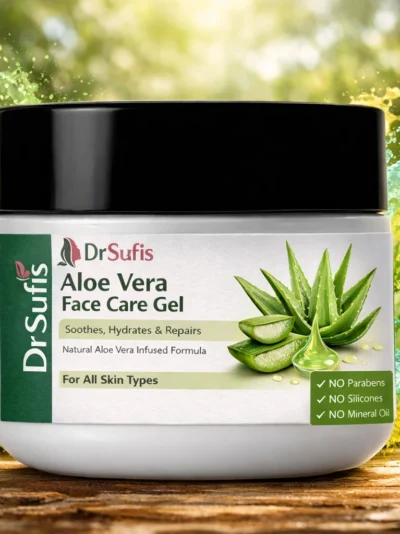
Aloe Vera for Pimple Marks
Aloe vera is one of the most well-researched natural ingredients for skin healing. It contains aloesin, a compound known to suppress excess melanin production, making it excellent for reducing post-inflammatory hyperpigmentation. Apply fresh aloe vera gel directly onto the marks and leave it on overnight. Rinse off in the morning. Use daily for best results.
Turmeric for Acne Marks
Turmeric contains curcumin, a powerful anti-inflammatory and antioxidant compound. Turmeric for acne marks works by reducing melanin activity and calming skin irritation. Mix half a teaspoon of turmeric with raw honey or yoghurt to make a paste. Apply it to affected areas for 10 to 15 minutes, then rinse thoroughly. Note: turmeric can stain — use it sparingly and avoid contact with clothing.
Lemon for Dark Spots from Acne
Lemon juice is a natural source of Vitamin C and citric acid, which can gently lighten dark spots from acne. However, lemon for dark spots acne is best used with caution — always dilute lemon juice with water or rose water before applying to skin, and never step into the sun immediately afterwards, as it can cause photosensitivity. Apply diluted lemon juice with a cotton pad, leave for 10 minutes, then rinse. Suitable for oily skin types; not recommended for sensitive skin.
Honey for Acne Scars
Raw honey, especially Manuka honey, has antimicrobial and wound-healing properties. Using honey for acne scars helps maintain skin moisture and supports cell regeneration. Apply a thin layer of raw honey to the affected area and leave it on for 20 minutes before washing off. It is gentle enough for daily use and is suitable for all skin types.
Potato Juice for Pigmentation
Potato juice contains catecholase, an enzyme that may help lighten pigmentation and even out skin tone. Potato juice for pigmentation is best applied by grating a raw potato, extracting the juice, and applying it directly to marks with a cotton ball. Leave on for 15 to 20 minutes, then rinse. Use once daily for consistent results.
Best Skincare Routine to Remove Pimple Marks
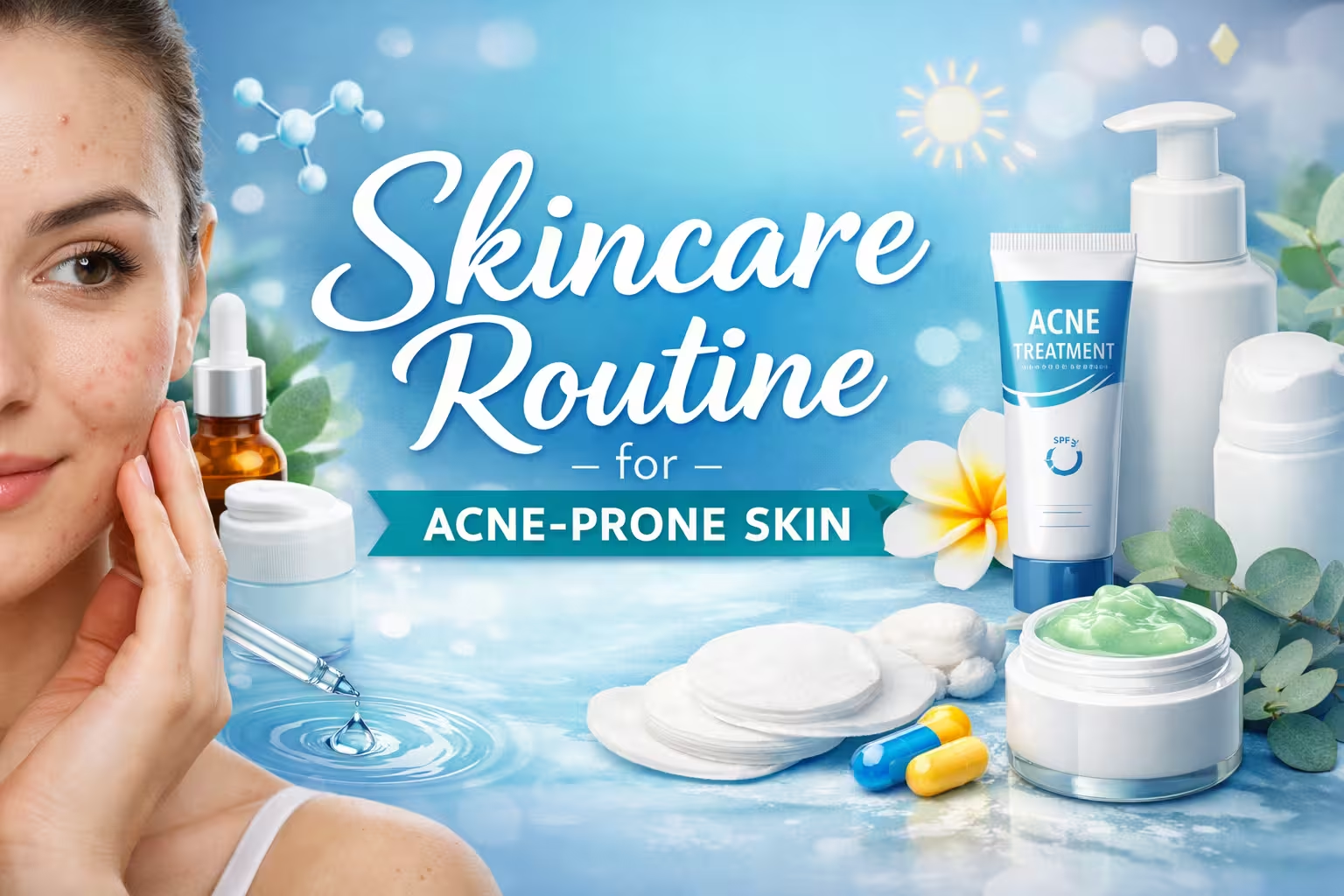
A targeted skincare routine is one of the most reliable ways to fade pimple marks over time. Here is a step-by-step routine using dermatologist-recommended active ingredients:
Step 1: Gentle Cleanser
Start with a pH-balanced, non-comedogenic cleanser twice daily. Avoid harsh scrubs, which can worsen inflammation and trigger more marks.
Step 2: Salicylic Acid for Acne Marks (AM or PM)
Salicylic acid for acne marks is a BHA (beta hydroxy acid) that exfoliates inside the pores and on the skin’s surface. Use a 0.5% to 2% salicylic acid toner or serum to encourage cell turnover and gradually fade dark spots.
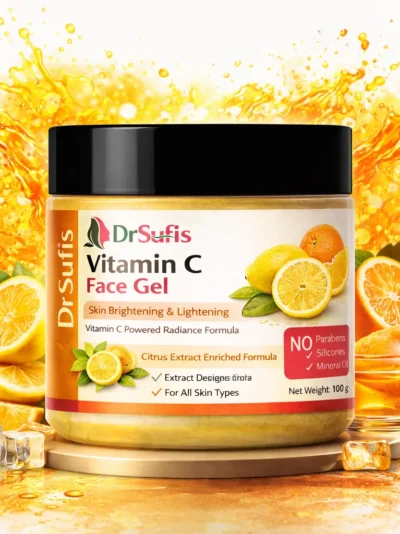
Step 3: Vitamin C Serum for Acne Marks (AM)
Vitamin C for acne marks is a gold-standard brightening ingredient. It inhibits melanin production and promotes collagen synthesis. Use a 10–20% L-ascorbic acid serum in the morning for best results. Always follow with SPF.
Step 4: Niacinamide for Pimple Marks (AM or PM)
Niacinamide for pimple marks is one of the most versatile and well-tolerated ingredients. Also known as Vitamin B3, niacinamide reduces melanin transfer to skin cells, minimises pores, and strengthens the skin barrier. Use a 5–10% niacinamide serum once or twice daily.
Step 5: Retinol for Acne Scars (PM Only)
Retinol for acne scars works by accelerating skin cell turnover, which helps push newer, pigment-free cells to the surface faster. Begin with a low concentration (0.025% to 0.1%) and use 2 to 3 nights per week, gradually increasing frequency. Not recommended during pregnancy.
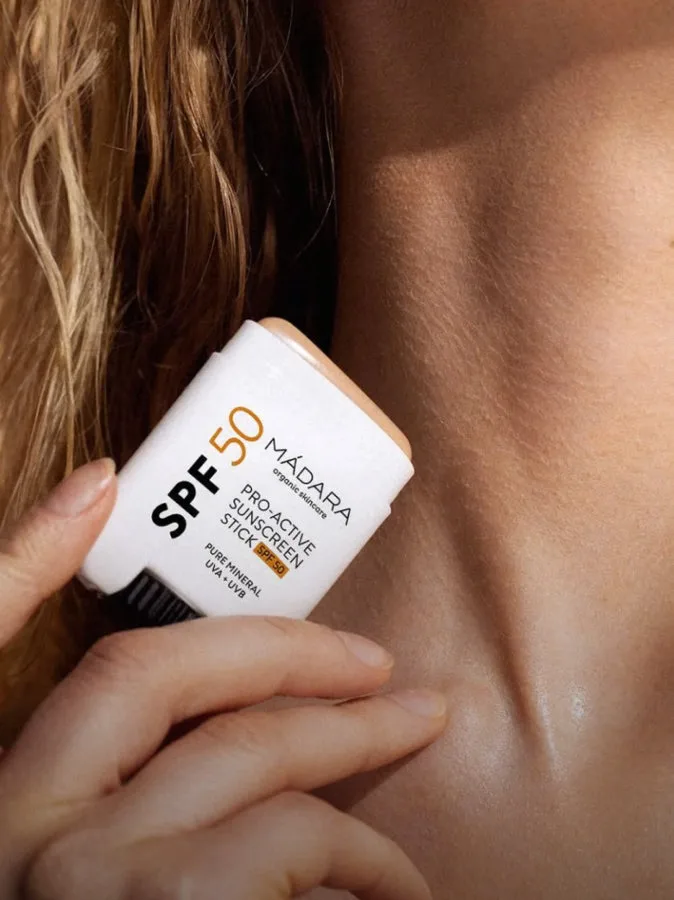
Step 6: Sunscreen for Acne Marks (AM, Non-Negotiable)
Sunscreen for acne marks is absolutely essential. UV exposure is one of the leading causes of marks darkening and taking longer to fade. Use a broad-spectrum SPF 30 or higher every single morning, regardless of weather. This one step can cut the fading time of marks by half.
Professional Treatments for Pimple Marks
When home remedies and skincare products are not delivering the results you need, professional treatments can offer faster, more dramatic improvement. Always consult a qualified dermatologist before pursuing clinical procedures.
Chemical Peel for Acne Marks: A dermatologist applies a chemical solution (such as glycolic acid, lactic acid, or TCA) to exfoliate the outer layers of skin. Chemical peel for acne marks is effective for mild to moderate hyperpigmentation and typically requires a series of sessions.
Laser Treatment for Acne Scars: Laser treatment for acne scars uses targeted light energy to break down pigmentation and stimulate collagen. Options include fractional CO2 laser, Nd:YAG, and pulsed dye laser. Results are significant but require downtime and can be costly.
Microneedling for Acne Marks: Microneedling for acne marks involves using a device with tiny needles to create micro-injuries in the skin, stimulating the body’s natural healing response and collagen production. It is especially effective for textured acne scars and deeper marks.
Dermatologist Treatment for Acne Scars (Others): Additional options include dermabrasion, platelet-rich plasma (PRP) therapy, subcision for deep boxcar or rolling scars, and prescription-strength topicals like hydroquinone, tretinoin, and azelaic acid.
How to Prevent Pimple Marks
Prevention is always better than cure. Follow these steps to minimise the risk of new marks forming:
- Do not pick pimples — this is the most important rule. Squeezing or popping a pimple dramatically increases inflammation and the likelihood of leaving a lasting mark.
- Use sunscreen for acne-prone skin daily. Even on cloudy days, UV rays can darken existing marks and slow healing.
- Treat acne early. The sooner you address an active breakout, the less likely it is to leave a mark. Use spot treatments with benzoyl peroxide or salicylic acid at the first sign of a pimple.
- Gentle exfoliation for acne marks is beneficial — but over-exfoliating can irritate skin and worsen pigmentation. Limit to 2 to 3 times per week with a mild chemical exfoliant.
- Keep skin moisturised. A strong skin barrier heals faster and is less prone to post-inflammatory hyperpigmentation.
- Avoid harsh scrubs or rough face cloths on active breakouts.
Related Reading
If you found this guide helpful, explore these related topics for a deeper dive into clear, healthy skin:
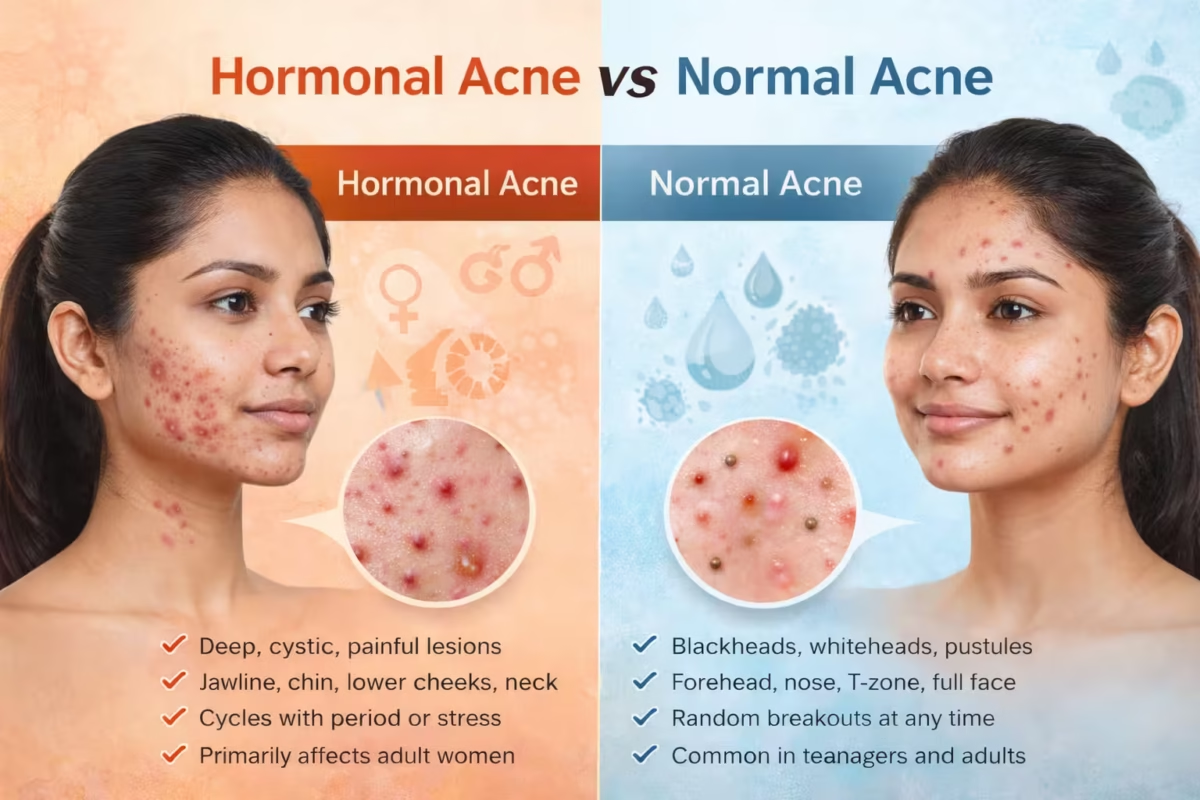
- Hormonal Acne vs Normal Acne: How to Tell the Difference
- Tea Tree Benefits for Skin, Hair and Overall Health: A Complete Guide
- Why Pimples Occur on Face: Causes, Triggers & How to Prevent Them
- Minimal Skincare Routine: The Best 3 Step Routine for Healthy, Glowing Skin
- Morning vs Night Skincare Routine: The Perfect Daily Skin Routine Explained