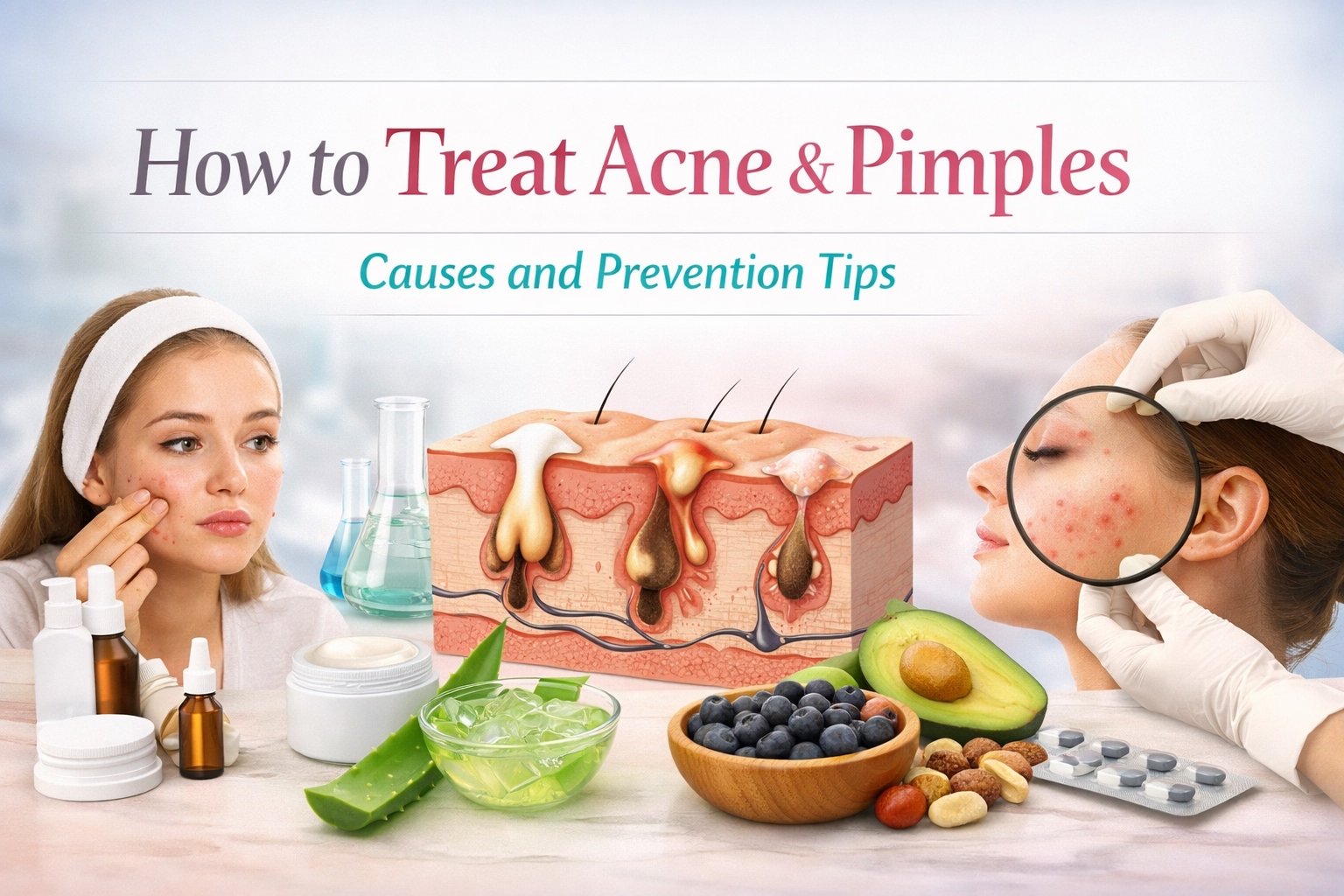
Acne and pimples are among the most common skin concerns I see in my clinic & people keep asking “How to Treat Acne & Pimples“. They affect people of every age, every skin type, and every background. In 18 years of practice, I have treated thousands of patients for acne: teenagers dealing with their first breakouts, adults struggling with hormonal acne, and working professionals whose stress and lifestyle are showing up on their skin.
The question I hear most often is:
“Doctor, I have tried everything. Why does my acne keep coming back?”
And the answer almost always comes down to the same thing — treating acne symptoms without understanding the root cause. When you understand what causes acne and pimples, the right treatment becomes much clearer.
In this guide, I am going to explain exactly what causes acne, the 7 proven treatment methods I recommend to my patients, natural remedies that actually work, a complete skincare routine for acne-prone skin, and the prevention tips that make the biggest difference. This is everything I share in a clinic consultation — written in simple language for you.
“Acne is not just a teenage problem. It is a medical skin condition with real causes and real solutions. When we treat it the right way, it responds very well.”
What Are Acne and Pimples? Understanding the Basics
Acne is a chronic skin condition that occurs when hair follicles — the tiny pores in your skin — become clogged with oil (sebum), dead skin cells, and bacteria. The result is inflammation, which we see on the surface as pimples, blackheads, whiteheads, or deeper cysts.
Pimples are one of the many forms acne can take. The term “acne” refers to the overall condition, while “pimples” typically refer to the individual inflamed bumps that appear during a breakout.
Acne most commonly appears on the face, but it can also develop on the back, chest, shoulders, and neck — anywhere the skin has a higher density of oil glands.
Understanding this is important because it tells us something very clear: effective acne treatment must address the pore itself — the clogging, the oil, the bacteria, and the inflammation. Products that only treat the surface rarely give lasting results.
Proper acne treatment is not just about using the right ingredients — it also requires a consistent skincare routine. If you want to get the best results from your acne treatments, following the correct daily routine is essential. Here is a complete guide to the ideal skincare routine you can follow for clearer, healthier skin.
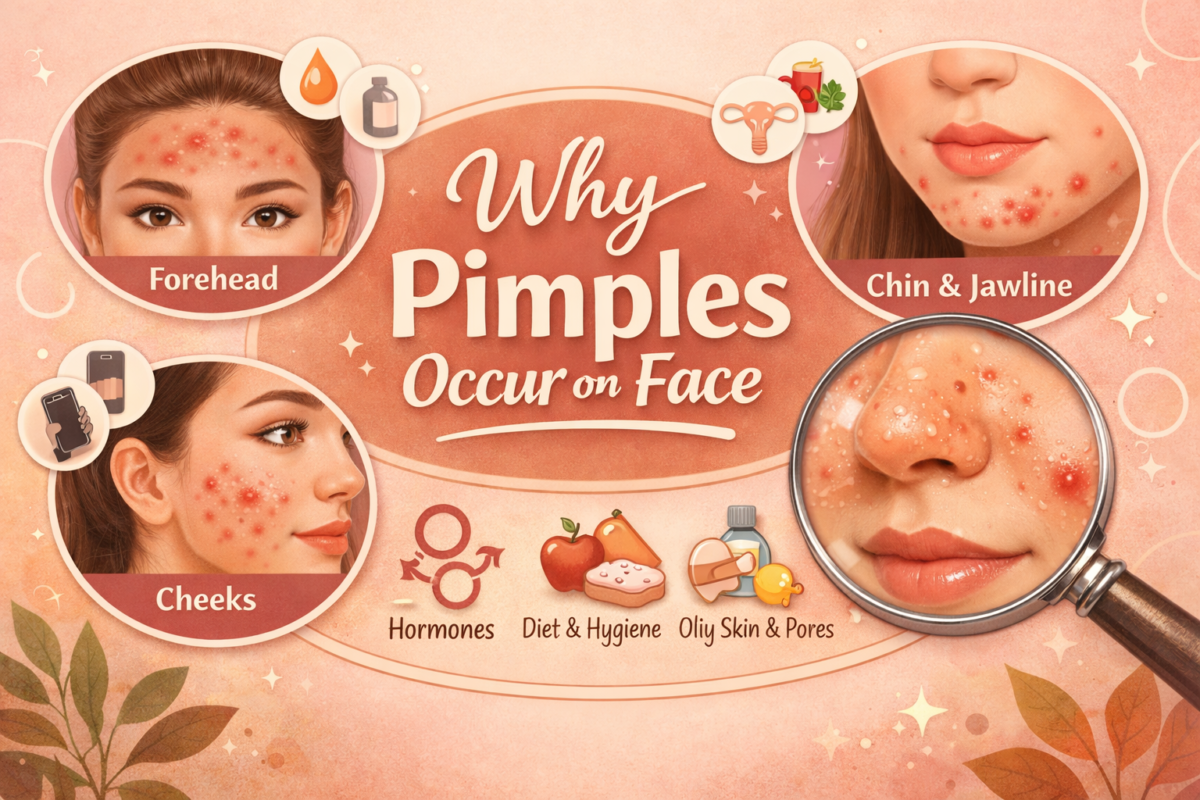
What Causes Acne and Pimples? The Real Triggers
After 18 years of treating acne patients, I can tell you that acne rarely has a single cause. For most people, it is a combination of factors working together. Here are the most important ones:
1. Excess Oil Production
The skin naturally produces oil called sebum to keep itself moisturised. But when the sebaceous glands produce too much oil — triggered by hormones, genetics, or humidity — the excess oil mixes with dead skin cells and clogs the pores. This is the starting point of almost every pimple.
2. Hormonal Acne Causes
Hormones are one of the biggest triggers of acne. During puberty, the menstrual cycle, pregnancy, or periods of hormonal imbalance, the body produces increased levels of androgens — hormones that stimulate the oil glands to produce more sebum. This is why hormonal acne typically appears along the jawline, chin, and lower cheeks.
I see a significant number of adult women in my clinic whose acne flares predictably around their menstrual cycle. This is classic hormonal acne, and it responds differently to treatment than regular teenage acne.
3. Bacterial Infection
A bacteria called Cutibacterium acnes (previously known as Propionibacterium acnes) lives naturally on everyone’s skin. In most people, it causes no problems. But when pores become clogged with oil and dead cells, this bacteria multiplies inside the blocked pore, triggering inflammation and turning a clogged pore into a painful red pimple.
4. Dead Skin Cell Buildup
Skin cells shed constantly. When this shedding process is disrupted — which can happen due to dryness, over-washing, or simply genetics — dead skin cells accumulate on the surface and inside pores, contributing to blockages that lead to acne.
5. Diet and Lifestyle Factors
Research increasingly shows a clear connection between certain foods and acne. High-glycaemic foods (white bread, sugary drinks, processed snacks), dairy products, and foods high in saturated fats have all been linked to worsening acne in clinical studies.
Stress is another major factor. When the body is under stress, it produces more cortisol — a hormone that stimulates oil production and triggers inflammatory responses in the skin. This is why many patients notice breakouts during exams, major deadlines, or emotional stress.
6. Wrong Skincare Products
Using skincare products that are not suited to acne-prone skin is one of the most common causes of persistent breakouts that I see in my clinic. Heavy moisturisers, oily foundations, and products with pore-clogging ingredients (comedogenic ingredients) silently worsen acne even when the person is doing everything else right.
Also read Biggest Skincare Mistakes Happens While Skincare Routine.
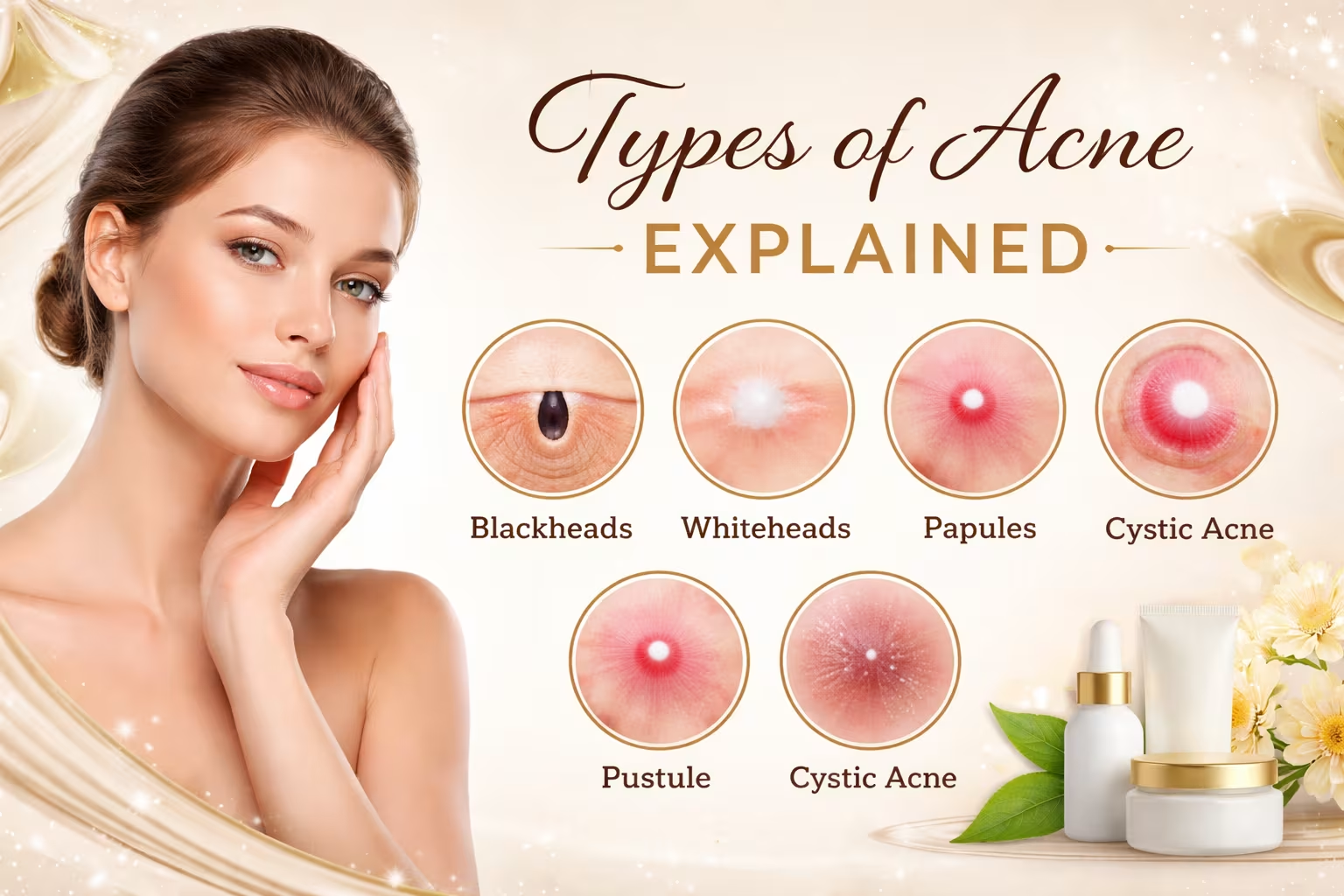
Types of Acne You Should Know
Not all acne is the same, and the type of acne you have determines the best treatment approach. Here is a quick guide to the main types:
Never squeeze cystic acne or deep nodules. Doing so pushes the infection deeper, worsens inflammation, and significantly increases the risk of permanent scarring. Always consult a dermatologist or cosmetologist for these types.
The Science Behind Acne: Why It Happens in Your Skin
Let me explain this simply because understanding it will help you make better decisions about treatment.
Inside each pore, there is a hair follicle and a sebaceous gland that produces oil. Under normal conditions, the oil travels up the follicle and onto the skin surface, keeping the skin moisturised and protected.
Acne begins when this flow is disrupted. Here is the sequence:
- Excess oil or dead skin cells block the opening of the pore
- The blocked follicle creates an environment where Cutibacterium acnes bacteria multiply rapidly
- The immune system detects the bacterial overgrowth and sends inflammatory signals to the area
- This inflammation is what we see on the surface as a red, swollen pimple
- If the inflammation is deep, it forms a painful nodule or cyst
This is why squeezing pimples makes things worse — it ruptures the follicle wall, spreads bacteria to surrounding tissue, and deepens the inflammation. Every time you squeeze, you are pushing the problem inward.
Effective acne treatment must break this cycle — by reducing oil, clearing dead cells, controlling bacteria, and reducing inflammation.
7 Proven Ways to Treat Acne and Pimples
These are the treatment methods I recommend in my clinical practice, based on 18 years of evidence and patient outcomes. Not every person needs all 7 — but understanding each one helps you build the right approach for your skin.
Salicylic acid is a beta-hydroxy acid (BHA) that penetrates deep into pores and dissolves the oil and dead cell buildup that causes blockages. It is one of the most effective over-the-counter acne treatments available. I recommend starting with a 0.5% to 2% concentration in a cleanser or toner, used once daily. It works especially well for blackheads, whiteheads, and mild to moderate acne.
Benzoyl peroxide kills the acne-causing bacteria (Cutibacterium acnes) directly. It also helps unclog pores and reduces inflammation. Available in concentrations of 2.5% to 10%, I typically recommend starting with the lowest concentration to minimise dryness and irritation. Apply it as a spot treatment or a thin layer over the affected area. Do not use it near eyes or on sensitive areas.
Retinoids (derived from Vitamin A) are among the most powerful acne treatments available. They work by accelerating skin cell turnover, which prevents dead cells from clogging pores. They also reduce inflammation and prevent new comedones from forming. Start with a low concentration retinol (0.025% to 0.05%) applied every second night. Retinoids increase sun sensitivity, so always apply sunscreen during the day.
Cleansing twice a day — morning and night — is the single most important daily habit for acne-prone skin. It removes excess oil, pollution, sweat, and product residue that accumulates through the day and night. Use a gentle, pH-balanced, non-comedogenic cleanser. Avoid harsh scrubbing, which irritates the skin barrier and worsens inflammation. At night, always double-cleanse if you have worn sunscreen or makeup.
Non-comedogenic means the product is formulated not to clog pores. This label should be on every single product you use — cleanser, moisturiser, sunscreen, and foundation. I see many patients whose acne is almost entirely caused by pore-clogging products in their routine. Switching to non-comedogenic formulations alone has cleared the skin of several of my patients.
The connection between diet and acne is real and well-documented. I advise my acne patients to reduce high-glycaemic foods (sugary drinks, white rice, white bread, processed snacks), limit dairy, and increase anti-inflammatory foods like leafy greens, berries, nuts, and fatty fish. Drinking 2 to 3 litres of water daily also helps flush toxins and maintain skin hydration.
Consistency is the most underrated part of acne treatment. The products I recommend work — but only if used consistently, every day, for at least 8 to 12 weeks. Most of my patients who do not see results stopped too early, or kept switching products before giving their skin time to respond. Pick a simple, targeted routine and follow it every single day.
Natural Remedies for Pimples That Actually Work
As a doctor, I always prioritise clinical treatments for moderate to severe acne. But for mild breakouts and as complementary support, there are several natural remedies for pimples that have real evidence behind them.
Natural remedies are supportive, not a substitute for medical treatment. For moderate to severe acne — cystic acne, nodules, or acne causing scarring — please see a qualified dermatologist or cosmetologist. Self-treating severe acne with home remedies can delay proper treatment and worsen scarring.
Best Ingredients for Acne Treatment
Here are the key active ingredients I look for when building a treatment plan for acne-prone patients. Understanding these helps you read product labels and choose what actually works:
Skincare Routine for Acne-Prone Skin: Step by Step
This is the daily acne care routine I recommend to my patients. It is simple, targeted, and designed to treat active acne while preventing new breakouts.
Morning Routine for Acne-Prone Skin:
- Gentle gel cleanser (salicylic acid 0.5-1%) — Cleanses without stripping the skin barrier
- Hydrating toner (alcohol-free) — Balances skin pH and reduces excess oil
- Niacinamide serum (5-10%) — Controls sebum and calms inflammation throughout the day
- Lightweight, oil-free moisturiser — Hydrates without clogging pores
- Broad-spectrum SPF 30-50 sunscreen (non-comedogenic) — Protects skin and prevents acne marks from darkening
Night Routine for Acne-Prone Skin:
- Double cleanse — Oil cleanser to remove sunscreen, then gentle face wash to clean the skin
- Toner — Rebalance skin after cleansing
- Treatment serum — Salicylic acid or benzoyl peroxide spot treatment on active pimples
- Retinol (2-3 nights per week, alternate nights) — Accelerates skin renewal and prevents new blockages
- Light, non-comedogenic night moisturiser — Replenishes hydration overnight without clogging pores
Doctor’s Tip: Do not use retinol and benzoyl peroxide on the same night — they can irritate each other. Use benzoyl peroxide on some nights, retinol on others. Your skin needs them both, just not at the same time.
Tips to Prevent Acne Breakouts
The best acne treatment is the one you never need because you prevented the breakout from happening. Here are the daily habits I recommend to keep acne from returning:
- Never sleep with sunscreen or makeup on — This is one of the biggest causes of clogged pores and overnight breakouts. Always cleanse at night, no matter how tired you are.
- Change your pillowcase at least twice a week — Pillowcases accumulate oil, bacteria, and dead skin cells every single night. Sleeping on a dirty pillowcase repeatedly deposits all of that back onto your skin.
- Keep your hands away from your face — Your hands carry bacteria from everything you touch. Every time you rest your chin on your hand or touch a pimple, you are transferring bacteria to your face.
- Clean your phone screen daily — Your phone screen is one of the most bacteria-laden surfaces you touch regularly, and it sits against your cheek and jawline. Wipe it down with an antibacterial wipe every day.
- Reduce high-sugar and high-dairy foods — The diet and acne connection is real. Even small changes — reducing sugary drinks or cutting back on milk — can make a visible difference in acne frequency for many people.
- Manage stress actively — Stress triggers cortisol, which triggers oil production, which triggers breakouts. Regular exercise, adequate sleep, and stress management techniques like deep breathing directly reduce acne frequency.
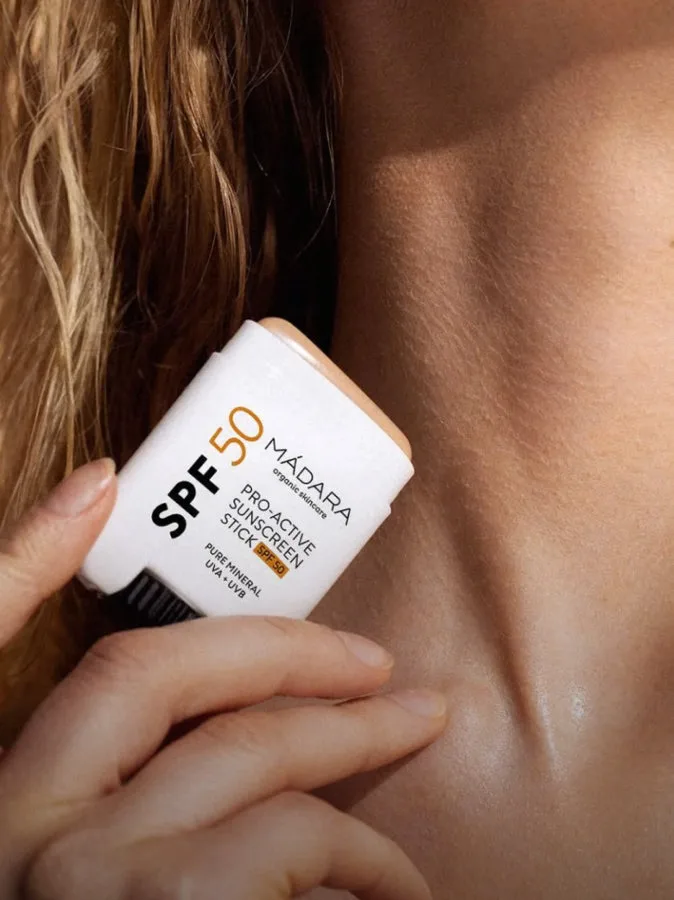
- Always wear non-comedogenic sunscreen — Many people with acne-prone skin skip sunscreen because they fear it will cause breakouts. A non-comedogenic, gel-based sunscreen will not clog pores. Skipping it allows UV rays to darken acne marks and worsen post-inflammatory pigmentation.
Common Mistakes That Make Acne Worse
These are the mistakes I see most consistently in patients who struggle to get their acne under control:
- Squeezing and picking at pimples — This is the single most damaging thing you can do. Squeezing spreads bacteria, deepens inflammation, and causes the dark marks (post-inflammatory hyperpigmentation) that can last for months.
- Over-washing the face — Washing more than twice a day strips the skin’s natural oils, triggering more oil production as compensation. This makes oily, acne-prone skin worse, not better.
- Using too many active ingredients at once — Layering salicylic acid, benzoyl peroxide, retinol, and AHAs together causes severe irritation and barrier damage. Introduce one new active ingredient at a time, wait 4 to 6 weeks before adding another.
- Expecting overnight results — Acne treatments require time. Most dermatology-grade treatments show visible improvement between 8 and 12 weeks. Patients who switch products every 2 weeks never give anything enough time to work.
- Skipping moisturiser on acne-prone skin — Dehydrated, acne-prone skin produces more oil to compensate, which worsens breakouts. A lightweight, non-comedogenic moisturiser is essential — not optional.
- Self-diagnosing and self-treating severe acne — Cystic acne, nodular acne, and acne causing significant scarring requires professional treatment. Delaying medical consultation to try home remedies can result in permanent scarring that is very difficult to treat.
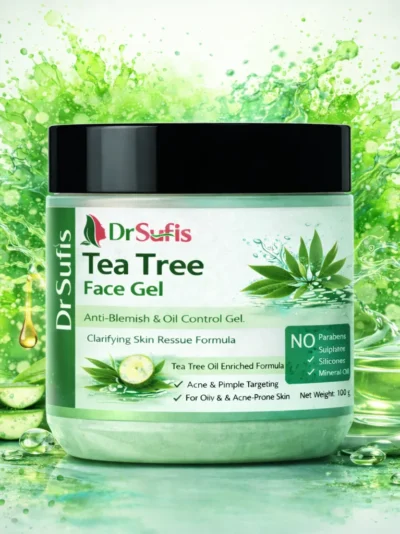
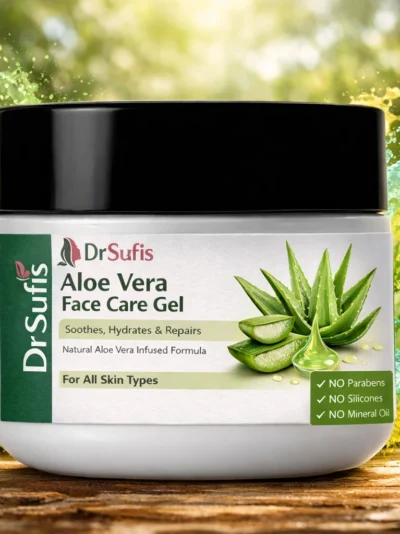
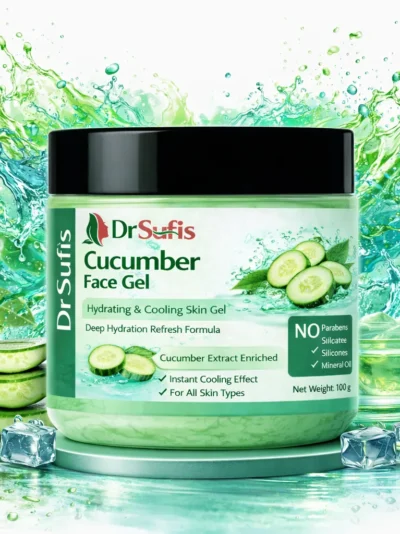
Recommended Products From Dr Sufis Wellness for Acne-Prone Skin
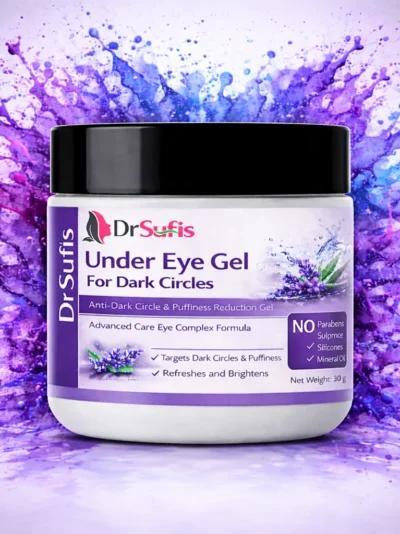
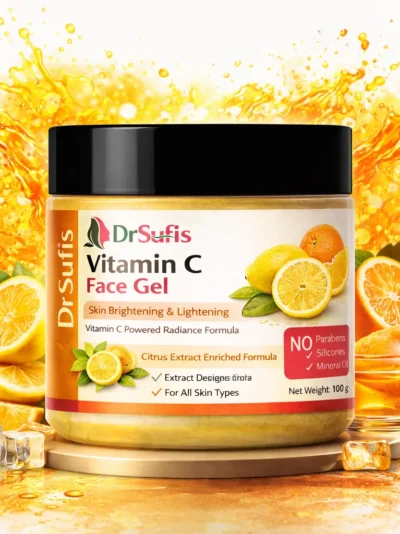
When I recommend products for acne-prone skin, I look for formulations that treat active breakouts, prevent new ones, and avoid ingredients that aggravate the condition. Here are the Dr Sufis Wellness products I recommend:
Frequently Asked Questions About Acne Treatment
1. What causes acne and pimples?
Acne is caused by a combination of factors: excess oil production, dead skin cell buildup, bacterial overgrowth (Cutibacterium acnes), and inflammation. Hormonal changes, stress, diet, and using the wrong skincare products are the most common triggers. Understanding your specific triggers is the key to effective treatment.
2. How do I treat acne and pimples at home?
For mild to moderate acne, a consistent at-home routine works well: use a salicylic acid cleanser twice daily, apply a niacinamide serum to control oil, use benzoyl peroxide as a spot treatment on active pimples, moisturise with a lightweight non-comedogenic product, and always wear SPF in the morning. Give the routine at least 8 weeks before judging results.
3. How do I remove pimples naturally?
For mild pimples, natural approaches that have evidence behind them include: applying aloe vera gel to reduce inflammation, using diluted tea tree oil as a spot treatment, applying raw honey as a mask, and using ice wrapped in a cloth to reduce swelling. These are supportive treatments and work best alongside proper cleansing and a targeted skincare routine.
4. What is the best treatment for hormonal acne?
Hormonal acne responds best to treatments that address oil production at the source. Topically, niacinamide and retinoids are very effective. In more persistent cases, a doctor may prescribe oral medications. Lifestyle factors like reducing dairy, managing stress, and getting adequate sleep also make a significant difference in hormonal acne.
5. How long does acne treatment take to work?
This is one of the most important questions I address with my patients. Most acne treatments show visible improvement between 8 and 12 weeks of consistent use. Some patients see improvement as early as 4 weeks. If you are switching products every 2 to 3 weeks, you are not giving any treatment enough time to work. Consistency and patience are essential.
6. Should I moisturise acne-prone skin?
Yes — always. This is a very common misconception. Skipping moisturiser on acne-prone skin causes the skin to compensate by producing even more oil, which worsens breakouts. The key is to use a lightweight, oil-free, non-comedogenic moisturiser that hydrates without clogging pores.
7. What foods cause acne and should be avoided?
Clinical research shows the strongest link between acne and high-glycaemic foods (sugary drinks, white bread, processed snacks, sweets) and dairy products. Fried and high-fat foods also contribute for many people. On the other hand, anti-inflammatory foods like leafy greens, berries, nuts, and omega-3 rich fish support clearer skin.
8. Can stress cause acne breakouts?
Yes, significantly. Stress raises cortisol levels, which stimulates the oil glands to produce more sebum. More sebum means more clogged pores and more breakouts. Managing stress through regular exercise, quality sleep, and relaxation techniques is a genuine part of acne management — not just a wellness suggestion.
9. Is it safe to pop or squeeze pimples?
No — and as a doctor I strongly advise against it. Squeezing a pimple pushes the infection deeper into the skin, spreads bacteria to surrounding follicles, causes more inflammation, and significantly increases the risk of permanent dark marks and scarring. Leave the pimple alone, use a targeted spot treatment, and let it heal naturally.
10. When should I see a doctor for acne?
You should see a dermatologist or cosmetologist if: your acne is severe, cystic, or nodular; you have been using over-the-counter treatments for 12 weeks without improvement; your acne is causing scarring or significant dark marks; or your acne is causing emotional distress. Prescription treatments exist that are significantly more effective for persistent acne than anything available over the counter.
Final Words
Acne is not something you have to just live with. In my 18 years of clinical practice, I have seen patients who struggled with acne for years finally achieve clear, healthy skin — not through miracle products, but through understanding their skin and treating it correctly.
The key things I want you to take away from this article are simple:
- Acne has real causes — and when you identify your triggers, treatment becomes much more targeted and effective
- The 7 treatment methods I have outlined are proven — but they require consistency over at least 8 to 12 weeks
- Never squeeze pimples — the short-term satisfaction causes long-term damage
- Your diet, stress levels, and daily habits are as important as the products you use
- A simple, consistent skincare routine for acne-prone skin will always outperform a complicated, inconsistent one
- If your acne is severe or causing scarring, please see a professional — do not wait
Your skin can get better. I see it happen every week in my clinic. With the right knowledge, the right products, and the right habits — clear skin is absolutely achievable.
In 18 years of treating acne patients, the biggest breakthrough is never a new product. It is the moment the patient truly understands their skin and commits to treating it correctly. That is when everything changes.