
Summer sale discount off 50%.
Sign up for 10% off your first order.
Serums—Every Friday 75% Off .
Morning vs Night Skincare Routine (1)

Morning vs Night Skincare Routine: The Perfect Daily Skin Routine Explained

Are you using the same cleanser, moisturiser, and serum both morning and night? If so, you’re not alone — but you could be sabotaging your skin without even realising it. Lets dive into why your skin needs completely different care at morning and night i.e morning vs night skincare youtine

Your skin has two very different jobs depending on the time of day. During the day, it works as your body’s shield — fighting off UV radiation, pollution, and environmental stressors. At night, it shifts into repair mode, regenerating cells, rebuilding collagen, and restoring its natural barrier.

A well-designed morning vs night skincare routine works with this natural rhythm. Your AM routine should focus on protection. 

Your PM routine should focus on repair and renewal. Using the same products for both means you’re either under-protecting in the day or under-nourishing at night.

In this complete guide, you’ll discover the exact morning vs night skincare routine steps, the correct order to apply products, which ingredients belong in AM vs PM, and personalised tips for every skin type — including a specific note for Indian skin.

What Is a Skincare Routine?

A skincare routine is a consistent, daily sequence of products applied to cleanse, treat, and protect your skin. The goal is not to use the most expensive products — it’s to use the right products in the right order at the right time of day. Here  is our complete skincare routine guide.

For beginners, the concept of a daily skincare routine morning and night can feel overwhelming. You might be staring at a shelf of serums, toners, and creams wondering where to start. The good news: a great routine doesn’t need to have 10 steps. Even a simple 4-step routine, done consistently, will outperform a complex 15-step routine done sporadically. You can read our blog post  : If you are looking gender specific information you can read our article skincare routine for men

The most important principle in skincare is consistency. Your skin responds to habits, not one-off treatments. When you follow a structured morning and night routine, you give your skin exactly what it needs, when it needs it — and the results compound over time.

Morning vs Night Skincare Routine: What’s the Difference?

The core difference between an AM vs PM skincare routine comes down to two words: protection vs repair.

The Simple Rule:

🌅  Morning Routine = PROTECT your skin from the day ahead

🌙  Night Routine = REPAIR and nourish your skin while you sleep

The Science Behind It

Your skin follows a circadian rhythm — a 24-hour biological clock that governs when it protects and when it repairs.

In the morning, cortisol levels peak. Your skin produces more sebum and braces itself for environmental assault — UV rays, pollution, blue light, and oxidative stress. 

This is why antioxidants like Vitamin C and broad-spectrum SPF are critical in your morning routine. They neutralise free radical damage before it accumulates.

At night, your skin enters a regenerative state. Cell turnover peaks between 11 PM and 4 AM. Trans-epidermal water loss (TEWL) increases, meaning your skin loses more moisture overnight.

 This is why richer moisturisers, barrier-repairing ingredients, and active treatments like retinol work best in a night routine — they support the skin’s natural repair processes.

Focus Area Morning (AM) Routine Night (PM) Routine
Primary Goal Protection Repair & Regeneration
Key Actives Vitamin C, Niacinamide Retinol, AHAs, Peptides
Texture Lightweight, fast-absorbing Richer, occlusive formulas
Must-Have Sunscreen SPF 50 Thorough double cleansing
Avoid Heavy occlusive creams Using actives without cleansing
Skin State Defensive, cortisol-high Regenerative, cell turnover peaks

Morning Skincare Routine Steps

Your morning skincare routine is your skin’s armour for the day. Every step should serve the purpose of protection, hydration, and preparation. Here are the exact morning skincare routine steps, in the correct order.

Step 1: Gentle Cleanser

Even if you cleansed thoroughly the night before, your skin has been active all night — producing sebum, shedding skin cells, and absorbing your night cream. A gentle morning cleanse removes this overnight buildup without stripping the skin’s natural oils.

  • Oily/combination skin: Use a gel or foaming cleanser with salicylic acid
  • Dry/sensitive skin: Use a cream or milk cleanser — avoid anything that leaves skin feeling “squeaky clean”
  • Normal skin: A gentle micellar water or light gel cleanser works well

💧 Pro Tip

Always cleanse with lukewarm water — never hot. Hot water strips your skin’s natural oils and can trigger excess sebum production in oily skin types.

Step 2: Toner

Toner is the bridge between cleansing and treating. It rebalances your skin’s pH (which rises slightly after cleansing), delivers a first layer of hydration, and preps skin to absorb your serums more effectively.

  • Look for: Hyaluronic acid (hydration), niacinamide (pore reduction, oil control), rose water (soothing), centella asiatica (calming)
  • Avoid: Alcohol-based toners in the morning — they’re drying and can trigger excess oil production
  • Application: Apply with clean hands or a cotton pad, patting gently — never dragging across skin

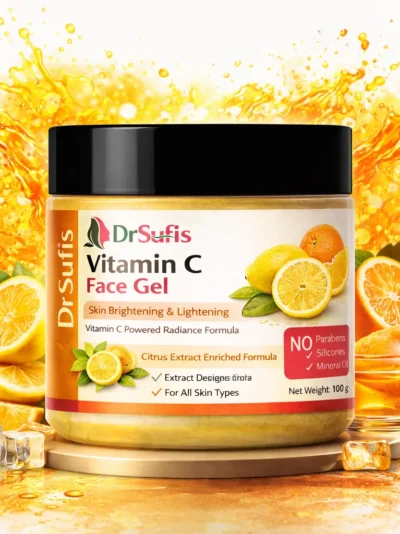
Step 3: Vitamin C Serum

Vitamin C is the undisputed hero of the morning skincare routine. As a potent antioxidant, it neutralises free radicals generated by UV exposure and air pollution before they can damage your skin cells and accelerate aging.

Vitamin C also inhibits melanin production — making it one of the most effective ingredients for reducing hyperpigmentation, dark spots, and uneven skin tone over time.

  • How to apply: Pat a few drops onto dry skin after toning — do not rub, as friction can deactivate the formula
  • The power pairing: Vitamin C + SPF = dramatically enhanced sun protection. Using both together is more effective than either alone
  • Concentration: Beginners start with 10% L-ascorbic acid; experienced users can use 15–20%
  • Sensitivity note: If Vitamin C irritates your skin, try a stabilised derivative like ascorbyl glucoside or magnesium ascorbyl phosphate

✨ Dermatologist Insight

The combination of Vitamin C serum + SPF 50 in your morning routine provides significantly more photoprotection than SPF alone. Think of it as your daily anti-aging insurance.

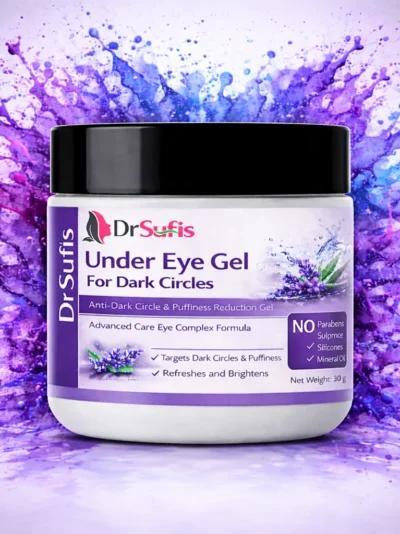
Step 4: Eye Cream (Optional but Recommended)

The skin around your eyes is 5–10 times thinner than the rest of your face and has fewer oil glands — making it the first area to show signs of aging, puffiness, and dark circles. An eye cream applied in the morning helps protect this delicate zone throughout the day.

  • Apply with your ring finger (lightest pressure), tapping gently along the orbital bone
  • For dark circles: Look for caffeine, Vitamin K, or Vitamin C
  • For puffiness: Caffeine or green tea extract
  • Always apply eye cream BEFORE moisturiser, not after

Step 5: Moisturiser

Moisturiser seals in all the layers beneath it while providing hydration and strengthening your skin barrier. In the morning, choose a formula that’s lightweight enough to sit comfortably under sunscreen.

  • Oily skin: Gel-cream or water-based moisturiser — look for hyaluronic acid and niacinamide
  • Dry skin: A slightly richer lotion or cream with ceramides and glycerin
  • Normal/combination: A balanced lotion works well year-round
  • Indian skin tip: In humid climates like Mumbai or Chennai, a gel moisturiser prevents the heavy, greasy feeling that triggers more oil production

Step 6: Sunscreen SPF 50 — The Non-Negotiable Final Step

If you do nothing else in your morning routine, wear sunscreen. SPF is the single most evidence-backed anti-aging, anti-pigmentation, and skin cancer prevention step in skincare. Period.

  • Apply SPF as the absolute last step in your morning routine
  • Use at least half a teaspoon (2.5 ml) for face and neck — most people apply less than half the recommended amount
  • SPF 50 minimum: The Indian climate and year-round UV index make SPF 50 non-negotiable
  • Reapply every 2–3 hours if outdoors or near windows
  • Mineral vs Chemical: Mineral SPF (zinc oxide/titanium dioxide) is better for sensitive and acne-prone skin; chemical SPF is lighter for daily wear

⚠️ Common Mistake

Never mix your SPF into your moisturiser. Diluting sunscreen with another product drastically reduces its protection factor. Always apply it as a standalone last step.

Night Skincare Routine Steps

Your night skincare routine is where the real transformation happens. While you sleep, your skin is in full repair mode — and the right products applied in the right order make all the difference.

Step 1: Double Cleansing

The double cleanse is the cornerstone of an effective night routine. A single water-based cleanser cannot fully remove SPF, waterproof makeup, sebum, and the day’s pollution — and leaving these on skin overnight is one of the biggest causes of breakouts, clogged pores, and accelerated aging.

  • First cleanse (oil-based): Apply a cleansing oil, balm, or micellar water to dry skin. Massage gently to dissolve SPF and makeup, then rinse. This breaks down oil-soluble impurities
  • Second cleanse (water-based): Follow with your regular gel or foam cleanser to remove water-soluble impurities, sweat, and remaining residue
  • Even if you don’t wear makeup, double cleansing removes SPF and the day’s oil buildup thoroughly

🌙 Night Routine Tip

If you didn’t wear SPF or makeup that day, a single gentle cleanse is sufficient. Reserve the full double cleanse for days when your skin has been protected and exposed to environmental stressors.

Step 2: Exfoliation (2–3 Times Weekly)

Exfoliation removes dead skin cells, unclogs pores, and accelerates cell renewal — resulting in brighter, smoother, and more even-toned skin. However, it must be done correctly and only at night.

Chemical exfoliants are far superior to physical scrubs. Scrubs with harsh particles can cause micro-tears in the skin and worsen inflammation. Chemical exfoliants dissolve the bonds holding dead cells together — gently and effectively.

Exfoliant Type Best For Frequency Key Benefit
AHA – Glycolic Acid Dry, dull skin 2–3x weekly Resurfaces, brightens, reduces lines
AHA – Lactic Acid Sensitive/dry skin 2–3x weekly Gentler brightening + hydration
BHA – Salicylic Acid Oily, acne-prone skin 2–3x weekly Unclogs pores, controls breakouts
PHA (Gluconolactone) Very sensitive skin 3–4x weekly Mildest option, hydrating

⚠️ Do Not Over-Exfoliate

More than 3x weekly damages your skin barrier, leading to redness, peeling, increased sensitivity, and breakouts. If your skin feels raw or stings — reduce frequency immediately.

Step 3: Treatment Serums — Retinol, Niacinamide, and Peptides

Night serums are where the heavy lifting happens. These are your most powerful active ingredients — and they work best when applied to thoroughly cleansed, product-free skin.

Retinol — The Gold Standard

Retinol (Vitamin A) is the most clinically proven ingredient for reducing fine lines, wrinkles, acne, and hyperpigmentation. It accelerates cell turnover and boosts collagen production — but it comes with a learning curve.

  • Retinol is strictly a night-time ingredient — UV light degrades it and causes photosensitivity
  • Beginners: Start with 0.025–0.05% retinol, 2x per week. Increase frequency gradually as tolerance builds over 4–8 weeks
  • Always follow retinol with SPF the next morning — your skin will be more photosensitive
  • The “retinol uglies”: Mild flaking and dryness in the first 2–4 weeks are normal. Reduce frequency if irritation is severe

Niacinamide — The Multi-Tasker

Niacinamide (Vitamin B3) is one of the most versatile skincare ingredients available. It reduces pore appearance, controls sebum, brightens skin tone, strengthens the skin barrier, and reduces redness — all without irritation.

  • Can be used AM or PM — it’s non-photosensitive
  • Excellent for Indian skin types prone to hyperpigmentation and oiliness
  • If using with retinol: Apply niacinamide first, wait 5 minutes, then apply retinol. Niacinamide helps buffer retinol’s irritation

Peptides — The Collagen Builders

Peptides are short chains of amino acids that signal the skin to produce more collagen and elastin. They’re especially effective in night routines where they can work undisturbed for 6–8 hours.

  • Excellent for anti-aging, firming, and reducing expression lines
  • Gentle enough for sensitive skin — no irritation or adjustment period
  • Look for: Matrixyl 3000, Argireline, copper peptides in your night serum

Step 4: Eye Cream (Night Formula)

A richer eye cream at night supports overnight collagen repair and delivers deeper hydration to the eye area. Look for retinol-specific eye creams (lower concentration than face retinol) or formulas with peptides and ceramides.

  • Apply before night cream, not after
  • Gentle patting motion — ring finger only — along the orbital bone
  • Avoid getting product too close to the lash line

Step 5: Night Cream or Moisturiser

Night creams are richer and more occlusive than daytime moisturisers, intentionally. They help counter the increased TEWL (trans-epidermal water loss) that occurs at night while delivering repair-focused ingredients to the skin.

  • Key ingredients to look for: Ceramides (barrier repair), peptides (collagen support), shea butter (occlusive hydration), hyaluronic acid (moisture retention)
  • Facial oil (optional): Rosehip, squalane, or marula oil can be applied as the very last step — oils seal in all layers beneath
  • Sleeping mask (1–2x weekly): An occlusive sleeping mask is the ultimate hydration treatment — apply as the final step on nights when skin feels particularly dry or stressed

💡 Overnight Repair Routine Power Move

On nights you use retinol, skip the exfoliant. On nights you exfoliate, skip the retinol. This prevents over-sensitising your skin while still getting the benefits of both actives throughout the week.

Correct Order of Skincare Routine: Morning vs Night

The cardinal rule: apply products from thinnest to thickest consistency. Lighter, water-based formulas absorb first; heavier creams and oils seal them in. 

Applying in the wrong order creates a barrier that blocks the layers beneath from penetrating the skin.


Step Morning (AM) Night (PM)
1 Gentle Cleanser Oil Cleanser — dissolve SPF & makeup
2 Toner Water-based Cleanser
3 Vitamin C Serum Exfoliant (2–3x weekly — not every night)
4 Eye Cream (optional) Treatment Serum (Retinol / Niacinamide / Peptides)
5 Moisturiser Eye Cream
6 Sunscreen SPF 50 ← ALWAYS LAST Night Cream or Sleeping Mask ← ALWAYS LAST

Two Rules to Never Break

  1. SPF is ALWAYS the final step in your morning routine. Never mix sunscreen with moisturiser as it can dilute protection and reduce SPF effectiveness.
  2. Eye cream is ALWAYS applied before moisturiser — applying moisturiser first can block proper absorption of eye treatments.

Morning vs Night Skincare Routine for Different Skin Types

There is no one-size-fits-all routine. Your skin type determines which products, textures, and actives will work best in your AM and PM routines. Here are dermatologist-recommended frameworks for each skin type.

Oily Skin

  • AM: Gel cleanser → BHA/niacinamide toner → niacinamide serum → oil-free gel moisturiser → SPF 50 (non-comedogenic)
  • PM: Micellar water + gel cleanser → salicylic acid toner (2–3x weekly) → retinol (2x weekly) → lightweight gel moisturiser
  • Key focus: Controlling sebum without over-stripping. Avoid heavy night creams and facial oils — they can clog pores
  • Best actives: Salicylic acid (BHA), niacinamide, retinol, zinc

Dry Skin

  • AM: Cream cleanser → hydrating toner (hyaluronic acid) → Vitamin C serum → rich moisturiser with ceramides → SPF 50
  • PM: Cleansing oil + gentle cream cleanser → lactic acid exfoliant (1x weekly) → hyaluronic acid serum → rich night cream or sleeping mask
  • Key focus: Layering multiple hydration sources. Apply products to slightly damp skin to lock in more moisture
  • Best actives: Hyaluronic acid, ceramides, glycerin, lactic acid (gentlest AHA), squalane

Sensitive Skin

  • AM: Fragrance-free gentle cleanser → soothing toner (centella asiatica, aloe vera) → lightweight moisturiser → mineral SPF (zinc oxide)
  • PM: Micellar water + gentle cleanser → calming serum (centella, niacinamide) → barrier-repair cream with ceramides
  • Key focus: Simplicity and barrier support. Avoid fragrance, essential oils, high-percentage acids, and alcohol in all products
  • Introduce actives slowly: If using retinol, start at 0.01% and use once weekly minimum

Acne-Prone Skin (With Special Note for Indian Skin)

  • AM: Salicylic acid cleanser (2%) → niacinamide serum → oil-free, non-comedogenic moisturiser → SPF 50 (non-comedogenic, non-greasy)
  • PM: Double cleanse → BHA toner or serum (2–3x weekly) → benzoyl peroxide spot treatment (on active breakouts) → lightweight gel moisturiser
  • Retinol for acne: Introduce 0.025% retinol 2x weekly — highly effective for both active acne and post-acne marks (PIH)

Special Note: Skincare Routine for Indian Skin

Indian skin is often melanin-rich and prone to post-inflammatory hyperpigmentation (PIH) — dark marks left behind after acne or irritation. The Indian climate also varies dramatically: humid in coastal cities, dry in northern and central India, and intensely UV-heavy year-round across the subcontinent.

For Indian skin, the non-negotiables are: SPF 50 (UV index is high 12 months of the year), Vitamin C for pigmentation, salicylic acid for oil and pore control, and niacinamide for brightening dark spots. Adjust moisturiser weight by season — lighter gels in monsoon, richer creams in winter.

Common Skincare Mistakes to Avoid

Even with the best intentions, these common errors can undermine your entire routine. Recognising and correcting them is often the fastest way to see better skin results.

🚫 Skipping Sunscreen Because You’re Indoors

UVA rays — the aging rays — penetrate glass. Working near a window still exposes your skin to UV damage. SPF is mandatory every single day, regardless of whether you step outside. Even overcast days deliver 80% of UV radiation to your skin.


🚫 Over-Exfoliating

Using AHAs, BHAs, and a face scrub in the same routine — or exfoliating daily — is one of the most common ways people damage their skin barrier. A compromised barrier causes redness, sensitivity, and paradoxically more breakouts. Stick to 2–3x weekly maximum.


🚫 Using Retinol in the Morning

Retinol is photosensitive. UV light degrades the molecule and increases the risk of severe irritation and burns. Retinol belongs exclusively in your night routine, followed by SPF the next morning.


🚫 Mixing Incompatible Actives

Vitamin C + retinol together can cause irritation and reduce each other’s effectiveness. Vitamin C + AHAs creates a pH conflict. Benzoyl peroxide deactivates retinol. Learn which ingredients work together and keep conflicting actives in separate AM/PM routines.


🚫 Not Double Cleansing at Night

Leaving SPF, pollution particles, and sebum on your skin overnight is one of the primary causes of clogged pores and slow skin turnover. One water-based cleanser is not enough to fully remove modern SPF formulas.


🚫 Applying Products in the Wrong Order

Applying a thick cream before a serum creates a physical barrier that prevents the serum from penetrating the skin. Always go thinnest to thickest, and always SPF last in AM.


🚫 Changing Your Routine Too Often

Skin needs 4–8 weeks to respond to a new ingredient or product. Switching products every 2 weeks means you never give your skin enough time to show results — or to flag a reaction. Introduce one new product at a time.


🚫 Using Hot Water to Cleanse

Hot water strips your skin’s natural lipid barrier, disrupting moisture levels and triggering oil overproduction in oily skin. Always cleanse with lukewarm water.

Expert Tips for Healthy and Glowing Skin

Beyond following the steps correctly, these dermatologist-recommended habits can transform your skin from the inside out — and make your routine significantly more effective.

  1. Patch test every new product. Apply a small amount to your inner wrist or behind the ear. Wait 24–48 hours before applying to your face. This prevents full-face reactions.
  2. Less is more. A perfectly executed 5-step routine will always outperform a chaotic 15-step routine. Focus on quality actives, not quantity of products.
  3. Hydrate from within. Drinking 2–3 litres of water daily directly impacts skin plumpness, elasticity, and radiance. No serum can compensate for chronic dehydration.
  4. Prioritise sleep. 7–9 hours of quality sleep is the ultimate overnight skin treatment. Cell regeneration peaks during deep sleep stages. Poor sleep visibly impacts skin within days.
  5. Change your pillowcase weekly. Cotton pillowcases absorb your skincare products and accumulate bacteria, sweat, and dead skin cells. Consider silk or satin pillowcases — they cause less friction and absorb fewer products.
  6. Reapply SPF. A single morning application of SPF is not enough for outdoor exposure. Reapply every 2 hours outdoors. SPF powders or mists make reapplication easy over makeup.
  7. See a dermatologist annually. Especially before introducing strong actives like retinoids, acids, or prescription treatments. A professional skin assessment ensures you’re using the right ingredients for your specific concerns.
  8. Adjust your routine seasonally. Your skin’s needs change with the weather. A lighter gel moisturiser in humid monsoon months and a richer cream in dry winter months will serve your skin far better than a year-round fixed routine.

Q1: What is the difference between morning and night skincare routine?

A morning routine focuses on protection — using antioxidants like Vitamin C and mandatory SPF to shield skin from UV radiation and pollution. A night routine focuses on repair — using actives like retinol, AHA exfoliants, and richer moisturisers to support the skin's overnight cell renewal cycle. Using the same products for both times significantly reduces your results

Q2: Can I use the same moisturiser morning and night?

Technically yes, but it's not ideal. Day moisturisers are lighter and often contain protective ingredients like SPF or antioxidants. Night moisturisers are richer, containing repair-focused ingredients like ceramides and peptides. Using only a lightweight moisturiser at night means your skin won't get the deeper repair support it needs during its overnight regeneration cycle.

Q3: Is Vitamin C better for morning or night?

Vitamin C is best used in the morning. As a powerful antioxidant, it works synergistically with SPF to neutralise free radicals from UV and pollution exposure. Using Vitamin C at night is not harmful, but it doesn't provide the same benefit as when paired with sun protection. Morning application gives you the maximum protective effect.

Q4: Should I use retinol in my morning or night routine?

Retinol must only be used at night — without exception. It is photosensitive: UV light degrades the molecule and increases the risk of skin irritation, burns, and photodamage. Always apply retinol as the last treatment step before your night moisturiser. Follow with SPF 50 the next morning, as retinol increases your skin's sensitivity to UV.

Q5: What is the correct order for a morning skincare routine?

The correct morning order is: (1) Gentle cleanser → (2) Toner → (3) Vitamin C serum → (4) Eye cream (optional) → (5) Moisturiser → (6) Sunscreen SPF 50. The golden rule: go from thinnest to thickest consistency, and always apply SPF as the absolute last step — never mix it into your moisturiser.

Q6: What is the correct order for a night skincare routine?

The correct night order is: (1) Oil-based cleanser → (2) Water-based cleanser → (3) Exfoliant (2–3x weekly, not every night) → (4) Treatment serum (retinol, niacinamide, or peptides) → (5) Eye cream → (6) Night cream or sleeping mask. Apply from thinnest to thickest, and let each step absorb for 30–60 seconds before layering the next.

Q7: Do I need to cleanse in the morning if I cleansed at night?

Yes, a morning cleanse is important. Even without makeup, your skin produces sebum and sheds cells overnight. A gentle morning cleanse removes this overnight buildup and prepares your skin to absorb serums and SPF effectively. However, use a gentle, non-stripping cleanser in the AM — your skin doesn't need the same thorough double cleanse as at night.

Q8: What is the best skincare routine for Indian skin?

Indian skin commonly faces a high UV index, humidity, and post-inflammatory hyperpigmentation (dark marks). A dermatologist-recommended routine for Indian skin includes: salicylic acid or niacinamide for oil and pore control, Vitamin C for pigmentation correction, a lightweight non-comedogenic moisturiser, and mandatory SPF 50 daily. Adjust moisturiser weight seasonally for your region.

Q9: How many steps should a skincare routine have?

A dermatologist-recommended routine for beginners is 4–5 steps: cleanser, treatment serum, moisturiser, and SPF in AM; double cleanse, treatment serum, and moisturiser in PM. More steps are not better. Consistency with a simple routine of well-chosen products will always produce better results than a complicated routine done inconsistently.

Q10: Can I skip sunscreen if I'm staying indoors all day?

No. UVA rays — the primary cause of skin aging and pigmentation — penetrate glass windows. Working near a window still exposes your skin to significant UV radiation. Additionally, blue light from screens has been linked to oxidative skin stress. SPF is non-negotiable every day, rain or shine, indoors or outdoors. Mineral SPF (zinc oxide) is ideal for daily indoor-outdoor use.

Leave a Comment

Your email address will not be published. Required fields are marked *

Big Save!
10% Coupon!

Enter the code below at checkout to get
10% off your first order.
You may also like...
Shopping Cart
Your cart is currently empty!.

You may check out all the available products and buy some in the shop.

Continue Shopping
Add Order Note
Estimate Shipping