Dermatology clinics across India & cities Mumbai, Delhi, and Bangalore are seeing an alarming trend. Seven out of ten new patients aren’t dealing with genetic skin disorders. They’re dealing with barrier damage they’ve unknowingly caused themselves.
The culprit? An obsession with glass skin, multi-step Korean skincare routines, and Instagram reels promising overnight transformations.
People are exfoliating daily, layering multiple acids, and following trends that strip their skin’s natural defenses.
A 24-year-old software engineer from Whitefield walks into the clinic. Her cheeks are raw and inflamed. Even the gentlest moisturizer stings.
Six months ago, her skin was normal. Then she started using glycolic acid toner daily, BHA serum every night, and vitamin C each morning. Weekend peels at home completed the routine.
Her skin didn’t glow. It broke down completely.
This pattern repeats daily across Indian cities. College students whose faces burn with water. Working professionals whose skin flushes red after every product.
Mothers who tried WhatsApp-forwarded “natural remedies” and ended up with reactions from lemon juice and baking soda.
The diagnosis remains consistent: a compromised skin barrier.
Most don’t understand what a skin barrier is. They assume sudden acne means hormonal imbalance. They believe pigmentation needs stronger vitamin C. They think oily skin requires harsher cleansing.
The real problem lies deeper. It’s not about what you’re putting on your skin. It’s about what you’ve already damaged.
What’s your skin barrier, and what purpose does it serve?
Your skin is made up of layers, each performing important functions in protecting your body.
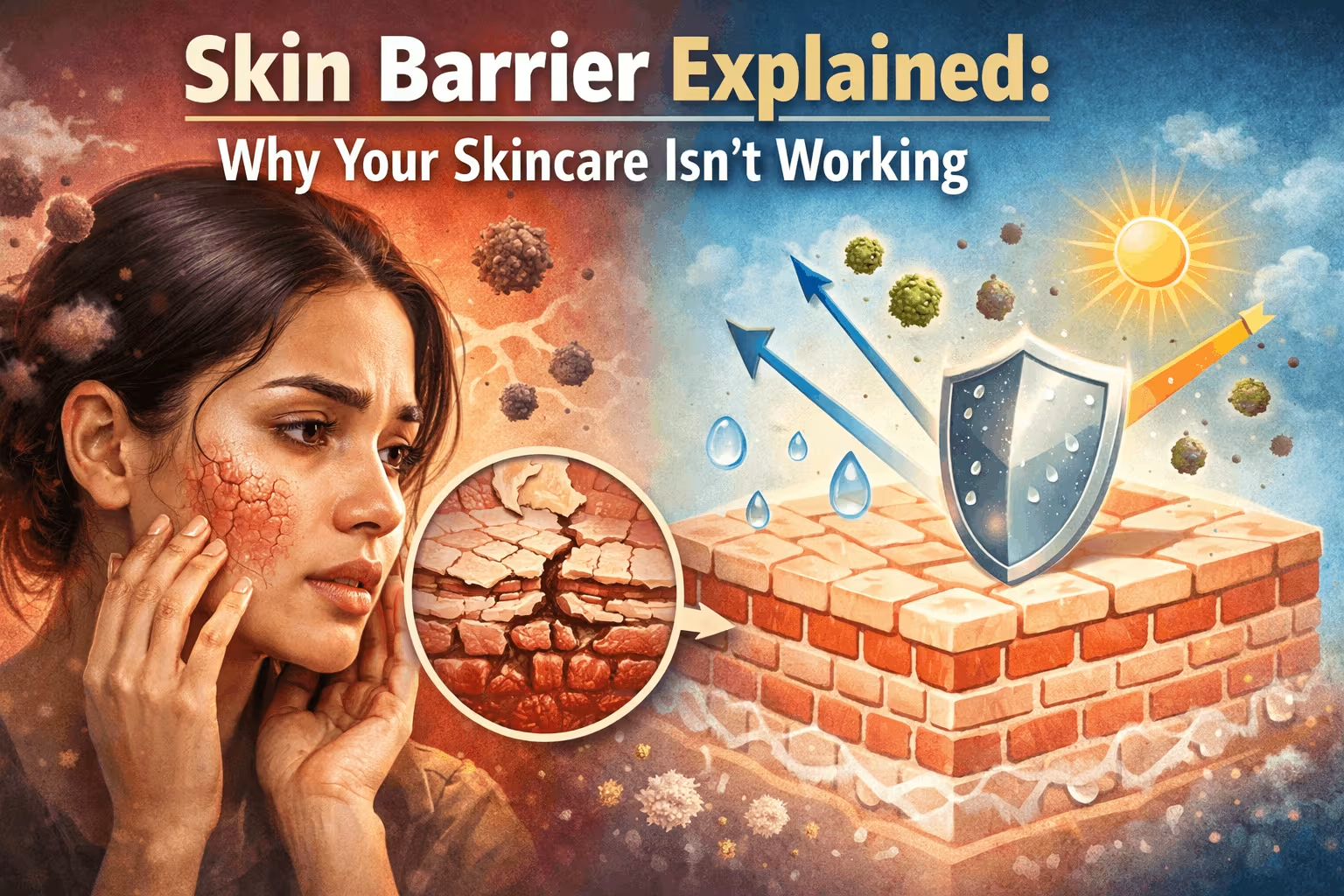
The outermost layer is called the stratum corneum. Dermatologists often describe this as a “brick wall.” It consists of tough skin cells called corneocytes that are bound together by mortar-like lipids. This is your skin barrier.
Inside these outermost skin cells, you’ll find keratin and natural moisturizers. The lipid layer contains:
- Cholesterol
- Fatty acids
- Ceramides
This thin wall prevents various harmful environmental toxins and pathogens from penetrating your skin and causing adverse effects inside your body.
Additionally, without your skin barrier, the water inside your body would escape and evaporate. In India’s extreme climates — from Mumbai’s 70% humidity to Delhi’s dry winters — this barrier works overtime to maintain proper hydration levels.
Your skin barrier is essential for your overall health. Protecting it helps your body function properly.
What can damage your skin barrier?
Your skin defends against numerous threats each day. Many come from outside your body, and a few come from within.
Some of the external and internal factors that can affect your skin barrier include:
Environmental factors:
- Too humid or too dry conditions (common across Indian climates)
- Allergens, irritants, and pollutants (particularly high in urban areas)
- Too much sun exposure
- Extreme temperature fluctuations (stepping from 38°C heat into 18°C AC)
Product-related damage:
- Alkaline detergents and soaps
- Exposure to harsh chemicals
- Over-exfoliation or over-washing
- Layering too many active ingredients
Internal factors:
- Psychological stress
- Poor sleep patterns
- Genetic factors that may make you more prone to certain skin conditions, such as atopic dermatitis and psoriasis
The over-exfoliation epidemic
This is the biggest barrier destroyer dermatologists observe in clinical practice. People are exfoliating like they’re scrubbing kitchen floors.
Daily acid toners. Glycolic acid face washes. Weekly home peels. Monthly professional treatments.
Indian skin, particularly Fitzpatrick Types IV and V, is more prone to inflammation and post-inflammatory hyperpigmentation.
Every over-exfoliation session doesn’t just remove dead cells — it strips away the protective lipids your barrier needs.
The irony? People exfoliate to achieve glow. Long-term over-exfoliation delivers sensitivity, redness, and dullness instead.
The active ingredient stacking problem
Open any skincare enthusiast’s cabinet and you’ll find it. Vitamin C serum. Niacinamide. AHA/BHA toner. Retinol. Sometimes all used in the same routine.
Each active ingredient is powerful on its own. Together, especially without proper barrier support, they can cause significant damage. Your skin can’t process multiple strong actives simultaneously.
Patients often present routines that include three different exfoliating products used nightly. They’re shocked to learn their acne isn’t “purging” — it’s barrier damage manifesting as breakouts.
Harsh cleansing habits
Walk into most Indian households and you’ll find high-foam face washes that create a “squeaky clean” sensation. Or traditional soap bars used on faces for generations.
That tight, stripped feeling isn’t cleanliness. It’s damaged skin.
High-pH cleansers and strong sulfates destroy the acid mantle. They remove not just dirt and oil but also essential barrier lipids. Because India’s climate is hot and humid, many believe they need to “deep cleanse” twice or thrice daily. This multiplies the damage exponentially.
DIY disasters from social media
WhatsApp groups circulate remedies constantly: lemon juice for dark spots, baking soda for blackheads, toothpaste for pimples, raw turmeric masks.
Lemon juice has a pH of 2 — similar to battery acid — and is photosensitizing. Baking soda has a pH of 9, alkaline enough to disrupt skin pH for days.
Toothpaste contains ingredients formulated for teeth, not skin. Undiluted essential oils can cause chemical burns.
Clinical practice regularly reveals barrier damage so severe from these home remedies that prescription medications become necessary for recovery.
The role of the acid mantle
Your skin barrier is slightly acidic. This acidity — the acid mantle — helps create a buffer against the growth of harmful bacteria, viruses, and fungi that could damage your skin and lead to infections and other skin conditions.
The acid mantle hovers around a pH of 4.5 to 5.5. It’s especially important to protect this acidity around wounds since skin’s pH is necessary for many biological interactions that occur during the healing process.
When you use harsh, alkaline cleansers (like many traditional soaps with pH 9-10), you disrupt this protective acidity. Your skin then struggles to defend against pathogens and maintain proper function.
How can you tell if your skin barrier is damaged?
When your skin barrier isn’t functioning properly, you may develop the following symptoms and conditions:
Physical symptoms:
- Dry, scaly skin
- Itchiness that doesn’t resolve
- Rough or discolored patches
- Tightness even after moisturizing
Inflammatory responses:
- Sensitive or inflamed areas
- Redness that doesn’t fade
- Burning or stinging when applying products
Skin conditions:
- Acne breakouts in unusual places
- Bacterial, viral, or fungal skin infections
- Increased sensitivity to products you previously used without issues
- The oily-yet-dehydrated paradox (excess oil production alongside dehydration)
If you’re experiencing three or more of these symptoms, your barrier likely needs attention and repair.
Understanding skin barrier across different skin types
A common misconception causes years of frustration: believing that your skin type determines your barrier health.
It doesn’t.
Oily skin can have a compromised barrier
Producing excess oil doesn’t mean your barrier is automatically protected.
Many with oily skin assume their abundant sebum means strong barriers. So they use harsh products to “control” oil and exfoliate aggressively to prevent clogged pores. They skip moisturizer entirely.
Meanwhile, their barrier is struggling. The excessive oil? Often a compensation mechanism for underlying dehydration. The enlarged pores? Sometimes a result of barrier damage, not just genetics. The persistent acne? A damaged barrier can’t fight bacteria properly.
Oily skin needs barrier repair just as much as any other type. Sometimes more, because it’s frequently mistreated.
Dry skin isn’t always barrier-compromised
Having dry skin doesn’t automatically mean your barrier is damaged. You might simply have lower natural sebum production. Your barrier could be perfectly intact — just requiring the right moisturization strategy.
The key is knowing the difference. Dry skin feels tight but doesn’t sting with products. Barrier-damaged skin reacts to everything and shows signs of inflammation.
Acne-prone skin often needs barrier repair first
This has changed many dermatological approaches to acne treatment: most acne-prone skin needs barrier repair before active acne treatment.
When barriers are damaged, skin pH rises. This creates ideal environments for acne-causing bacteria. Skin also produces more oil to compensate for water loss. Dead cells don’t shed properly because the turnover cycle is disrupted.
All of this worsens acne.
Many acne patients see dramatic improvement not from stronger acne treatments but from barrier repair. Fix the foundation first, then address acne with targeted treatments. Results are faster and longer-lasting.
“Sensitive skin” is usually a barrier issue
True genetic sensitivity is relatively rare. What most people call sensitive skin is actually compromised barrier function.
You’re not born unable to tolerate most products. You develop that sensitivity over time through barrier damage. Your skin becomes sensitive because its protective mechanism has broken down.
The good news? If it’s barrier-related sensitivity, it’s reversible.
How to protect and restore your skin barrier
There are various steps you can take to help protect and restore your skin barrier.
Simplify your skin care routine
When it comes to skin care, sometimes less is more. Consider which products are essential and most effective based on your skin care needs.
Step 1: Pause all harsh actives
Stop all exfoliating acids. Put away the retinol temporarily. No more vitamin C for now. No physical scrubs. No harsh treatments.
This is difficult for most people. “But my acne will get worse!” or “My pigmentation will darken!” are common concerns.
The truth: continuing to use actives on a damaged barrier is like trying to paint a crumbling wall. You’re not making progress — you’re making it worse.
The temporary break from actives won’t undo your progress, but it will give your skin the breathing room it needs to heal.
Think of it like spraining your ankle. You wouldn’t keep running on it. You’d rest it, let it heal, then gradually return to activity. Your skin deserves the same respect.
Pay attention to pH
Your skin’s delicate acid mantle hovers around a pH of 4.5 to 5.5.
Dermatologists recommend cleansing with a product that has a pH between 4.0 and 5.5. Switch to a gentle, low-pH cleanser that cleans without leaving that tight, stripped feeling.
For most people, cleansing once daily is enough. Yes, even in Indian summers. In the morning, a splash of water often suffices unless you’ve used heavy products overnight.
If you wear makeup or sunscreen, use a gentle micellar water or cleansing balm first, then your regular cleanser. Double cleansing is fine if done gently.
And stop using hot water. Lukewarm or cool water only. Hot water strips lipids faster than almost anything else.
Try plant oils to replenish your skin barrier
Research suggests that certain plant oils may help repair the skin barrier and prevent moisture loss. Many of these oils also have antibacterial, anti-inflammatory, and antioxidant effects.
Some of the most effective plant oils to consider include:
- Jojoba oil
- Coconut oil
- Almond oil
- Argan oil
- Sunflower oil
- Squalane
You can apply creams and lotions that contain one or more of these oils as ingredients. Alternatively, you can pour a small amount into your palm and massage it gently into your skin until absorbed.
It’s best to perform a patch test before using oils, as some people may experience sensitivity or allergic reactions.
Look for formulations that include ceramides
Ceramides are waxy lipids found in especially high concentrations in the stratum corneum. They’re crucial for making sure your skin barrier functions properly.
Research shows that products containing ceramides may help improve dryness, itchiness, and scaling associated with barrier damage.
When looking at products, search for specific ceramides like ceramide NP, AP, and EOP. These aren’t marketing terms — they’re specific types that research has shown are most effective.
Try moisturizers containing hyaluronic acid, petrolatum, or glycerin
Dry skin is common, and moisturizers are a popular remedy.
Understanding moisturizer types:
An occlusive moisturizer aids the skin barrier by reducing water loss from your skin. These products leave a thin film that helps prevent moisture loss. Petrolatum can block almost 99% of water loss from your skin.
Humectants work differently. They draw water — either from the environment or from inside your body — and bind it into the skin barrier. Look for products containing:
- Hyaluronic acid
- Glycerin
- Honey
- Betaine
The layering technique:
You need three types of ingredients: humectants, emollients, and occlusives.
Humectants draw water into your skin. Emollients fill gaps between skin cells, smoothing and softening. Occlusives seal everything in, creating a physical barrier that prevents water loss.
For barrier repair, you need all three. In hot, humid Indian weather, you might use a lighter occlusive. In AC or winter, you need something heavier.
Apply moisturizer to damp skin, not dry. Pat it in gently rather than rubbing aggressively. Give it a minute to absorb before moving to the next step.
Yes, even oily skin needs moisturizer during barrier repair. Non-negotiable.
Use ingredients that strengthen the barrier
Niacinamide at 2-5% concentration is ideal for barrier support. It increases ceramide synthesis, improves moisture retention, and reduces inflammation. Higher concentrations (10%+) might be too much for damaged skin.
Panthenol (provitamin B5) is excellent for barrier repair. It’s anti-inflammatory, helps with water retention, and aids in barrier lipid synthesis. Plus, it’s gentle enough for damaged skin.
Beta-glucan derived from oats is phenomenal for barrier repair. It’s intensely soothing, helps with wound healing, and has been shown to improve barrier function in studies.
Centella Asiatica (cica) contains compounds that promote collagen synthesis and barrier repair. It’s anti-inflammatory and helps with healing. Indian skin, which tends toward more inflammation, responds particularly well to centella.
Sun protection is non-negotiable
UV radiation directly damages your skin barrier. It breaks down lipids, disrupts structure, and impairs the repair process.
Every time you skip sunscreen, you’re undoing your barrier repair efforts.
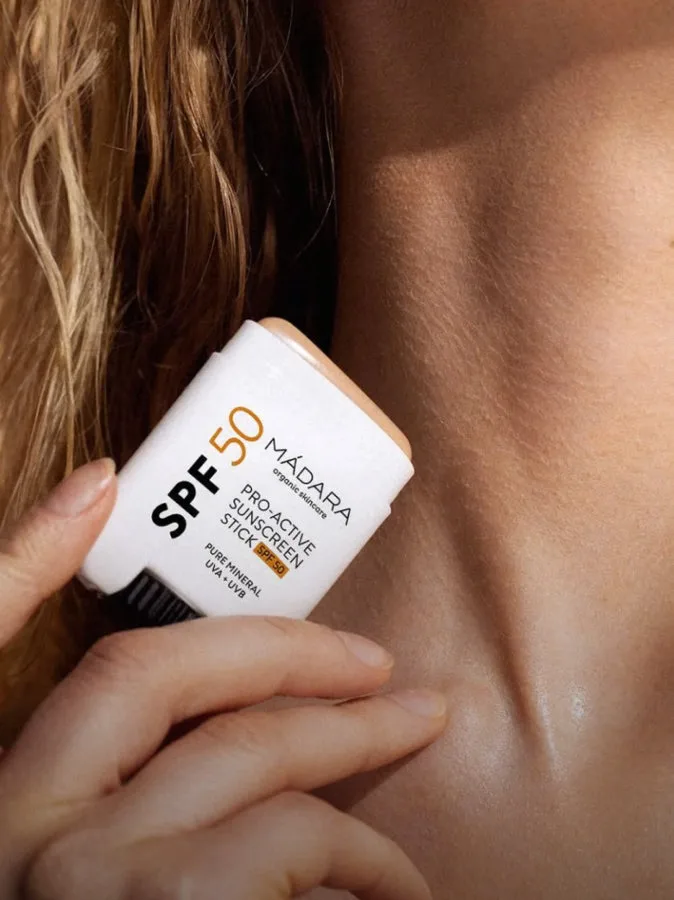
Choose a mineral or combination sunscreen with at least SPF 30. Reapply every 3-4 hours if outdoors. Even indoors, if you’re sitting near windows, you need protection.
During the barrier repair phase, physical sunscreens with zinc oxide or titanium dioxide are often better tolerated than chemical ones. They sit on top of skin rather than absorbing, which is gentler on compromised barriers.
Makeup with SPF isn’t enough. Neither is “SPF in moisturizer.” You need dedicated sun protection.
Ingredients to approach with caution during barrier repair
Not all ingredients are appropriate when your barrier is compromised.
Alcohol denat (denatured alcohol) in high concentrations can be drying and irritating. Small amounts as a solvent are usually fine, but if it’s in the top five ingredients, skip it during repair.
SD alcohol and isopropyl alcohol fall into the same category. Fatty alcohols like cetyl or stearyl alcohol are different — those are beneficial emollients.
Fragrance and essential oils are common sensitizers. Even if you’ve never reacted before, a damaged barrier makes you more vulnerable. Synthetic fragrance, “parfum,” and essential oils like lavender, peppermint, or citrus oils should be avoided during healing.
High-percentage exfoliating acids have their place in skincare, but not during active barrier repair. Hold off on glycolic acid, salicylic acid, lactic acid, and other AHAs and BHAs. Once your barrier heals, you can reintroduce them gradually at lower concentrations.
Retinoids used incorrectly cause more barrier damage than almost anything else. The problem isn’t retinol itself — it’s how people use it. Too much, too often, without proper support. During barrier repair, retinoids need to wait.
How long does skin barrier repair actually take?
Everyone wants a timeline. But healing doesn’t work on schedules.
Mild barrier damage — perhaps from over-exfoliating for a week or using one harsh product — can bounce back in 7 to 14 days. You’ll notice tightness easing, products stinging less, redness calming down.
Moderate damage — from using multiple harsh products for months or consistent barrier compromise — typically needs 3 to 4 weeks of dedicated repair. You’ll see improvement in the first week, but full recovery takes longer.
Chronic, severe damage — years of mistreatment, multiple barrier insults, underlying skin conditions — can take 6 to 8 weeks or more. This is when people get frustrated and want to give up at week three.
Improvement should be progressive. Week one, products might not sting as much. Week two, the tight feeling lessens. Week three, redness starts fading. Week four, skin texture smooths out.
If you’re getting worse or seeing no change after four weeks of proper barrier repair, something else might be happening. Could be an underlying condition like eczema or rosacea. That’s when you need professional help.
The biggest mistake? Panic buying. Jumping from one “miracle” product to another every week because you don’t see instant results. You’re not giving anything enough time to work.
Pick a simple routine. Give it a minimum of four weeks. Be patient.
When your barrier issues need professional help
Not everything can be fixed at home.
Persistent, widespread redness that doesn’t improve after four weeks of gentle care could indicate rosacea, seborrheic dermatitis, or another inflammatory condition. These need proper diagnosis and treatment.
Severe burning or stinging with every product, even water, might indicate damaged nerve fibers or sensitive skin syndrome. This requires medical intervention.
Sudden, explosive acne — especially if it’s painful, cystic, or spreading rapidly — isn’t just barrier damage. It could be hormonal acne, bacterial infection, or fungal acne. These conditions need targeted treatment.
Suspected eczema or dermatitis — if you see weeping, crusting, or severely dry patches that crack and bleed — requires professional care. Eczema is a chronic condition needing proper management.
Severe reactions to products — significant swelling, widespread rash, or difficulty breathing — indicate allergic reactions or contact dermatitis. Stop everything and seek immediate medical attention.
The bottom line
The outermost layer of your skin, known as your skin barrier, defends your body against environmental threats while protecting your body’s critical water balance.
Symptoms such as dryness, itching, stinging, and inflammation can indicate a disturbance in this important barrier.
You can help repair your skin’s barrier by simplifying your skincare regimen, using products with suitable pH, and using moisturizers that contain ceramides or humectants like hyaluronic acid. Moisturizers with petrolatum can also help your skin barrier seal in moisture.
Your skin barrier is your body’s frontline defense against everything the environment throws at you. Protecting it is much more than a cosmetic concern.
Barrier first. Always. Everything else comes after.
You don’t need 10 steps. You don’t need 15 different actives. You need cleansing that doesn’t strip, moisturizing that actually works, and sun protection that’s consistent.
Less products. More patience. Better results.