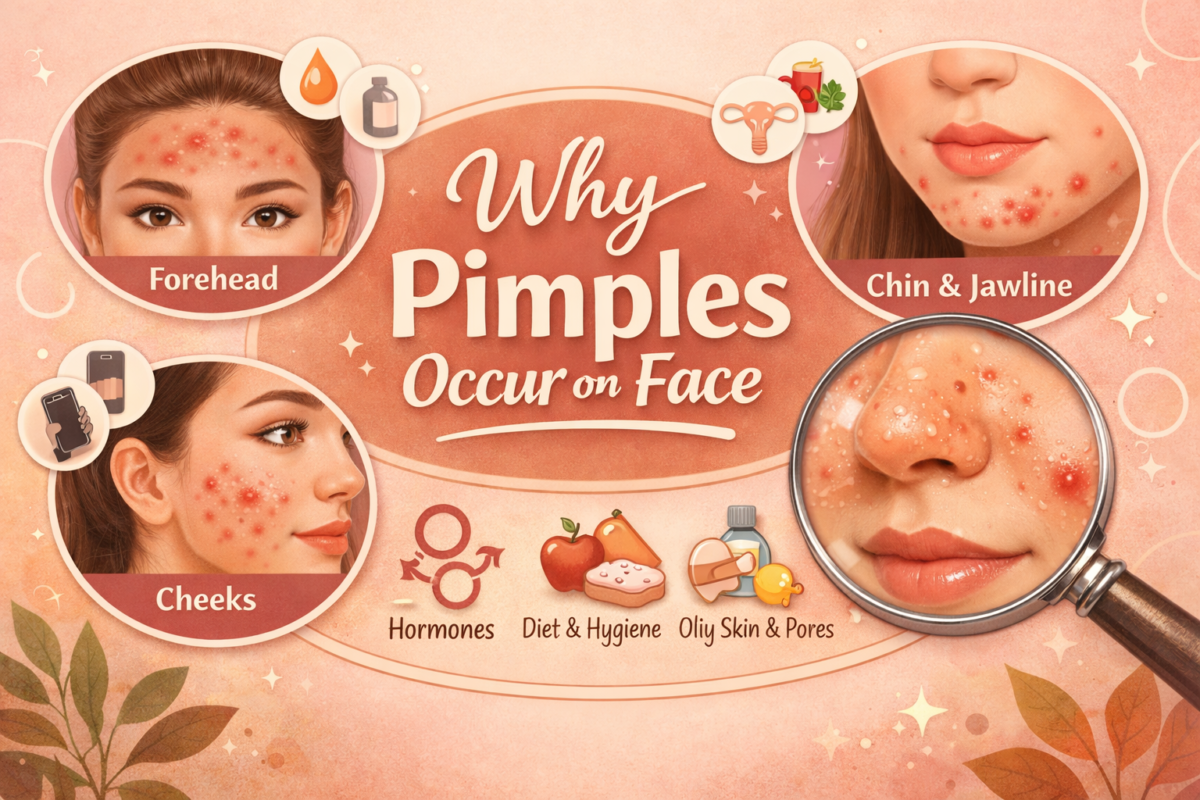
Of all the skin concerns I see while treating my patients, acne is the one that causes the most distress. Not just physically — but emotionally too. So what’s the best skincare routine for acne prone skin?
I have sat across from teenagers who are afraid to go to school. I have seen young professionals who avoid cameras and mirrors. I have treated adults in their 30s and 40s who have been battling breakouts for decades and simply do not know what they are doing wrong.
And here is what 18 years of treating acne-prone skin has taught me: most people are not failing because they are not trying hard enough. They are failing because nobody has ever given them the right information.
The best skincare routine for acne-prone skin is not about using the harshest products or the most expensive ones. It is about understanding why your skin breaks out, choosing the right gentle-but-effective ingredients, and following a consistent routine that works with your skin — not against it.
In this guide, I will give you exactly that — a complete, doctor-approved, step-by-step skincare routine for acne-prone skin. Morning, night, ingredients, mistakes, lifestyle — everything in one place.
❝ Acne is not a hygiene problem. It is not a diet problem. It is not a willpower problem. It is a skin condition — and like every skin condition, it responds to the right treatment and the right routine. ❞
— Dr. Sufia Shaikh
What Makes Skin Acne-Prone?
Acne-prone skin is skin that breaks out more easily and more frequently than other skin types. But understanding why this happens is the first step to managing it properly.
Your skin has tiny openings called pores. Inside each pore is a hair follicle and a sebaceous gland — a small gland that produces oil called sebum. This oil is natural and necessary. It keeps your skin moisturised and protected.
Acne happens when this process goes wrong in one or more of these ways:
- The sebaceous glands produce too much oil — this is common in oily skin types
- Dead skin cells are not shed properly and instead build up inside the pore
- A bacteria called Cutibacterium acnes (C. acnes) multiplies inside the blocked pore
- The immune system responds with inflammation — causing the redness, swelling, and pain
The result: blackheads, whiteheads, papules, pustules, cysts — all different forms of acne, all caused by the same basic process.
Acne-prone skin is different from simply having oily skin. You can have acne-prone skin that is also dry or sensitive. The common factor is not oil level — it is how easily your pores become blocked and inflamed.
Here you can read our post on How To Treat Acne.
What Causes Acne Breakouts? Common Triggers
Before I explain the routine, I want to share something important: clearing acne is not just about what you put on your skin. It is about understanding what is triggering your breakouts in the first place.
In my clinical experience, these are the most common acne triggers I see:
Identifying your personal triggers is as important as your skincare routine. When I work with acne patients, we always look at both together.
Signs You Have Acne-Prone Skin
How do you know if your skin is truly acne-prone versus just having an occasional breakout? Here are the clinical signs I look for:
- Frequent breakouts — more than just occasional pimples, happening consistently
- Oily or combination skin type with visible enlarged pores
- Blackheads and whiteheads clustering on the nose, chin, and forehead (T-zone)
- Skin becomes inflamed or breaks out easily when trying new products
- Breakouts that leave marks or scars that take weeks or months to fade
- Skin flares up with hormonal changes, stress, or dietary changes
- Products that work for others cause you to break out
If these sound familiar, your skin is acne-prone — and the routine I am about to share is designed specifically for you.
The Science Behind Acne — Why It Keeps Coming Back
One of the most frustrating things about acne is that it keeps returning even after it clears. Understanding why helps you build a routine that prevents this cycle.
Here is what happens scientifically:
When a pore becomes blocked, the C. acnes bacteria — which normally lives harmlessly on your skin — multiplies rapidly inside the oxygen-free environment of the blocked pore. Your immune system detects this and sends white blood cells to fight it. That immune response is what causes the redness, swelling, and pain you see as a pimple.
When the pimple is popped or heals on its own, the bacteria can spread to surrounding pores. The inflammation damages the skin tissue, which is what causes the dark marks (post-inflammatory hyperpigmentation) and scars that take so long to fade.
The key insight here is this: acne management is not just about treating the visible pimple. It is about:
- Keeping pores clear so they cannot become blocked in the first place
- Controlling excess oil production without stripping the skin
- Killing acne-causing bacteria before they multiply
- Reducing inflammation when breakouts do occur
- Repairing the skin barrier so it stays resilient and healthy
Every step in the routine I am about to share addresses at least one of these five goals.
Best Ingredients for Acne Prone Skin
Choosing the right ingredients is where most people go wrong. They reach for the harshest products thinking that will clear acne faster — but this usually makes things significantly worse.
Here are the ingredients I recommend and prescribe most often for acne-prone skin:
⚠ Doctor’s Warning
Do NOT use all of these ingredients at once. Combining too many active ingredients is one of the most common skincare mistakes that can actually make acne worse.
Start with one or two actives, observe how your skin responds, and build your routine slowly. If in doubt, consult a qualified cosmetologist or dermatologist before introducing multiple treatments.
MORNING SKINCARE ROUTINE FOR ACNE-PRONE SKIN
Your morning routine has two goals: protect your skin from the day ahead and manage oil and bacteria before they can trigger a breakout.
🧼 Step 1 — Gentle Cleanser (60 seconds)
Start with a gentle, non-stripping face wash specifically formulated for acne-prone skin. Look for a cleanser with salicylic acid (0.5–2%) or tea tree oil. Avoid products with sodium lauryl sulfate or heavy fragrance.Use lukewarm water and spend about 60 seconds massaging gently before rinsing.
✨ Step 2 — Acne Treatment Serum (45 seconds)
After cleansing, apply a targeted acne treatment serum. In the morning, I recommend niacinamide. It helps control oil production, reduce redness, minimise pores, and gradually fade acne marks.Apply 2-3 drops and gently press into the skin.
Alternative: Azelaic acid works very well for sensitive acne-prone skin.
🧴 Step 3 — Lightweight Non-Comedogenic Moisturiser (30 seconds)
Acne-prone skin still needs moisture. Skipping moisturiser often makes acne worse because dehydrated skin produces more oil. Choose a non-comedogenic gel or fluid moisturiser containing ingredients like hyaluronic acid or ceramides.☀️ Step 4 — Oil-Free Sunscreen SPF 30+ (45 seconds)
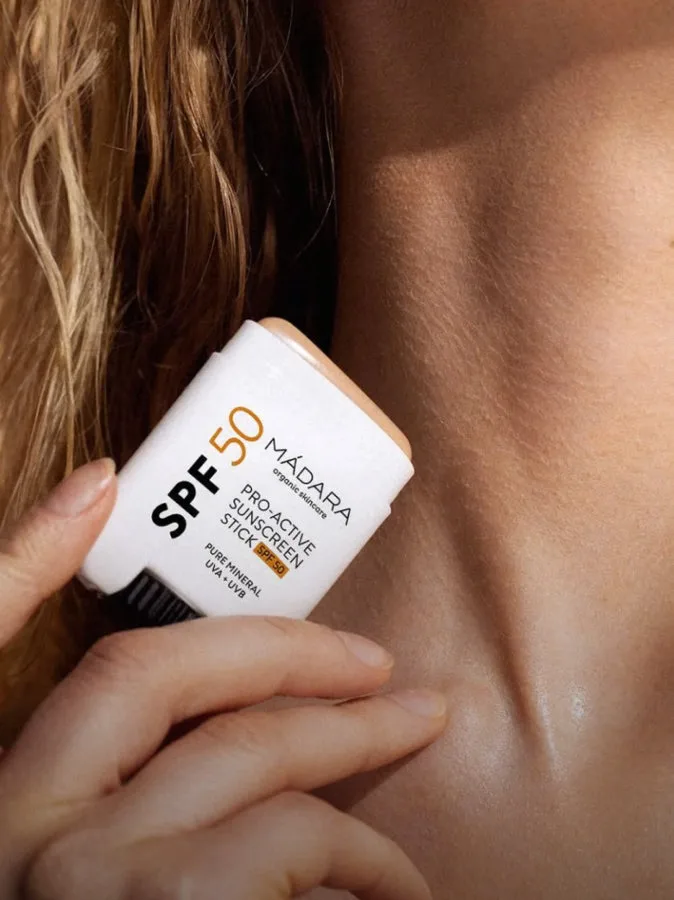
Sunscreen is essential for acne-prone skin. UV exposure worsens post-acne marks and increases pigmentation. Many acne treatments also make the skin more sensitive to sunlight. Use an oil-free, non-comedogenic sunscreen with at least SPF 30 every morning.NIGHT SKINCARE ROUTINE FOR ACNE-PRONE SKIN
🌟 Step 1 — Double Cleansing (2 minutes)
Start with micellar water or cleansing oil to dissolve sunscreen, makeup, and pollution. Follow with your regular salicylic acid cleanser to clean inside pores.🧪 Step 2 — Chemical Exfoliation (2-3x per week)
Apply a chemical exfoliant like salicylic acid or a low-strength AHA (glycolic or lactic acid) toner. This removes dead skin cells that clog pores.💉 Step 3 — Acne Treatment (30-45 seconds)
Use either: • Benzoyl peroxide or tea tree oil for spot treatment • Retinol serum for overall acne prevention and scar fading Do not combine benzoyl peroxide and retinol on the same night.💧 Step 4 — Hydrating Moisturiser (30 seconds)
Use a slightly richer but still non-comedogenic moisturiser with ingredients like ceramides, hyaluronic acid, or centella asiatica to repair the skin barrier overnight.Our Hydrating Night Cream at Dr Sufis Wellness is designed to nourish acne-prone skin overnight without clogging pores.
Your Complete Acne Routine at a Glance
| Step | Morning | Night |
|---|---|---|
| Cleanse | Gentle salicylic cleanser | Double cleanse |
| Treat | Niacinamide / Azelaic Acid | Exfoliant (2-3x/week) OR retinol / spot treatment |
| Moisturise | Lightweight gel moisturiser | Ceramide moisturiser |
| Protect | Oil-free SPF 30+ | Not required |
You can treat acne naturally too. Here are proven home remedies to treat acne.
Lifestyle Habits That Help Control Acne
I always tell my patients: your skincare routine is only half the picture. These lifestyle factors play a significant role in how your acne behaves:
Diet and Acne
While diet alone does not cause acne, clinical research shows it can influence how severe breakouts are. Based on what I observe in my patients:
- High-glycaemic foods (white bread, sugar, processed foods) — spike insulin, which stimulates oil production
- Dairy products — particularly milk, which contains hormones that can trigger acne in susceptible individuals
- Omega-3 rich foods (fish, flaxseed, walnuts) — anti-inflammatory and shown to reduce acne severity
- Antioxidant-rich foods (berries, leafy greens, green tea) — fight the inflammation that makes acne worse
Stress and Acne
Stress triggers the release of cortisol, which stimulates sebaceous glands to produce more oil. More oil means more clogged pores means more acne. This is why so many people break out during exams, before important events, or during difficult periods at work.
Managing stress through exercise, sleep, and mindfulness does not just help your mental health — it genuinely helps your skin.
Daily Habits for Clear Skin
- Change your pillowcase every 3 to 4 days — it accumulates oil, dead skin, and bacteria
- Clean your phone screen daily — it constantly touches your face and transfers bacteria
- Never touch or pick at pimples — this spreads bacteria and causes deeper scarring
- Keep hair clean and away from your face — hair products and oils transfer to skin and clog pores
- Stay hydrated — drinking enough water supports skin cell turnover and reduces inflammation
- Get 7 to 8 hours of sleep — your skin repairs itself most actively during deep sleep
Common Skincare Mistakes That Make Acne Worse
These are the mistakes I see most frequently in acne patients who are not seeing results despite trying hard:
- Using products that are too harsh — Strong alcohol-based toners, harsh scrubs, and high-percentage actives do more damage than good. They destroy the skin barrier, cause inflammation, and often trigger more breakouts. Gentle is always better for acne-prone skin.
- Popping and picking at pimples — I know it is tempting. But popping a pimple spreads bacteria into surrounding pores, pushes infection deeper, and causes the dark marks (post-inflammatory hyperpigmentation) that take months to fade. It is one of the most counterproductive things you can do.
- Skipping moisturiser — Dehydrated skin overproduces oil as a compensatory mechanism. Dry, dehydrated acne skin is a very common pattern I see in patients who have been told to avoid all moisture. Use a lightweight non-comedogenic moisturiser — your skin barrier depends on it.
- Over-exfoliating — Exfoliating every day, or using multiple exfoliating products at once, strips the skin barrier and causes severe sensitivity, peeling, and paradoxically — more acne. Maximum two to three times per week with a gentle chemical exfoliant.
- Using comedogenic products without knowing it — Many face creams, hair products, and sunscreens contain ingredients that block pores (comedogenic). Always check labels and look for non-comedogenic, oil-free formulations when you have acne-prone skin.
- Expecting overnight results and giving up too soon — Acne treatments take time. Most clinical treatments require 6 to 12 weeks to show significant results. Switching products every 2 weeks because they are not working yet is one of the main reasons people never get their acne under control.
Consider To Read: 5 Biggest Skincare Mistakes People Make (And How to Fix Them)
Recommended Products From Dr Sufis Wellness for Acne-Prone Skin
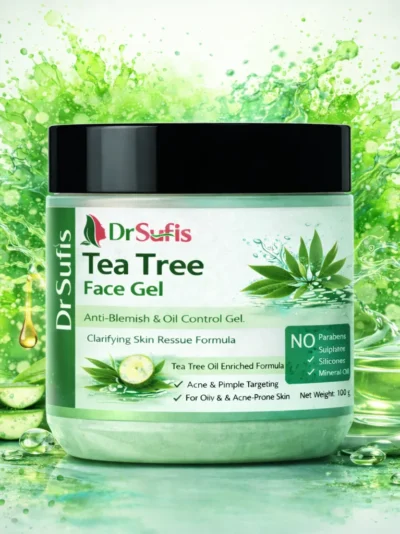
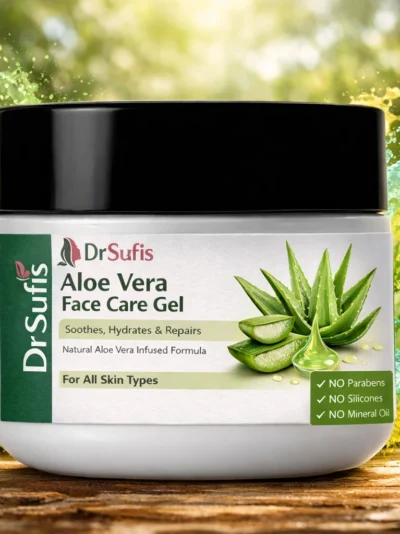
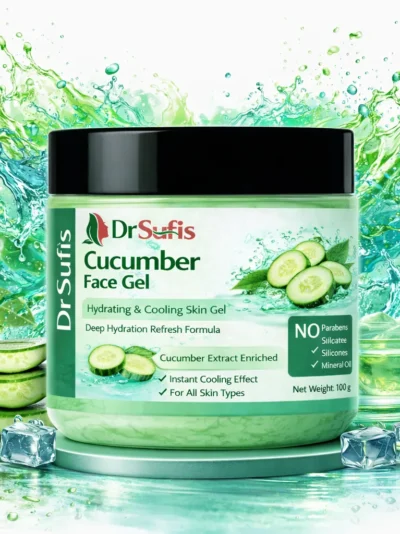
When selecting products for acne-prone patients, I prioritise formulations that are non-comedogenic, clinically thoughtful, and gentle enough for daily use. Here is what I recommend from Dr Sufis Wellness:
Recommended Products for Acne-Prone Skin
Frequently Asked Questions
These are the questions I hear most often from acne-prone patients in my clinic and online:
1. What is the best skincare routine for acne prone skin?
The best skincare routine for acne-prone skin focuses on four things: gentle cleansing twice a day, targeted acne treatment ingredients (like salicylic acid, niacinamide, or retinol), non-comedogenic moisturising, and daily SPF. Keep the routine simple, be consistent, and give it at least 6 to 8 weeks before evaluating results.
2. What ingredients should I avoid if I have acne-prone skin?
Avoid comedogenic oils (coconut oil, cocoa butter on face), heavy silicones, fragrance, alcohol-based toners, and physical scrubs with large abrasive particles. Also avoid combining too many active ingredients — using salicylic acid, benzoyl peroxide, retinol, and AHA all at once is a very common cause of worsening acne and skin barrier damage.
3. Should I moisturise if I have acne prone or oily skin?
Absolutely yes — this is one of the most important things I tell my acne patients. Skipping moisturiser causes dehydration, which triggers the skin to overproduce oil as compensation. Choose a lightweight, non-comedogenic, oil-free gel moisturiser. Your skin barrier needs hydration to stay healthy and resilient against acne-causing bacteria.
4. Is salicylic acid good for acne-prone skin?
Salicylic acid is one of the most effective and well-researched ingredients for acne-prone skin. It is a beta-hydroxy acid (BHA) that is oil-soluble, which means it penetrates into the pore and dissolves the dead skin cells and oil that cause blockages. It is particularly effective for blackheads, whiteheads, and non-inflamed acne. Use it in your cleanser or as a toner, not in multiple products at once.
5. Can I use retinol if I have acne-prone skin?
Yes — retinol is one of the most powerful tools for acne-prone skin. It speeds up cell turnover (which prevents pore blockages), reduces sebum production, and fades post-acne marks over time. However, it must be introduced slowly — start once or twice a week, apply over moisturiser initially, and gradually build up. Retinol is a night-only ingredient and always requires daily SPF.
6. How long does it take for a skincare routine to clear acne?
In my clinical experience, most patients begin to see meaningful improvement at the 6 to 8 week mark with a consistent routine. Full clearing of active acne can take 3 to 4 months. Post-acne marks and scars take longer — up to 6 to 12 months with targeted treatment. Patience and consistency are non-negotiable. Do not switch routines every few weeks.
7. What foods should I avoid to prevent acne breakouts?
Based on clinical research and patient patterns in my practice, the foods most consistently associated with worsening acne are high-glycaemic foods (white rice, white bread, sugary drinks), dairy milk, and heavily processed foods. This does not mean eliminating them entirely — but reducing them while increasing anti-inflammatory foods (vegetables, fish, nuts) can make a noticeable difference for many patients.
8. Is double cleansing necessary for acne-prone skin?
At night, yes — especially if you are wearing sunscreen (which all acne patients should be). A single water-based cleanser often does not fully remove sunscreen and pollution. Starting with a micellar water or gentle cleansing balm ensures the surface is clean, and your second cleanse with a salicylic acid face wash then works properly on the pores themselves.
9. Can stress actually cause acne breakouts?
Yes — this is very well established medically. Stress triggers the release of cortisol and other hormones that stimulate sebaceous glands to produce excess oil. This increased oil production, combined with any existing inflammation, creates ideal conditions for acne breakouts. Managing stress is a genuine part of acne management — not just a lifestyle suggestion.
10. When should I see a doctor for acne?
You should consult a qualified cosmetologist or dermatologist if: your acne is severe (deep cysts or nodules), your acne is leaving permanent scars, over-the-counter products have not worked after 3 months of consistent use, your acne is causing significant emotional distress, or you suspect a hormonal cause (like PCOS). Prescription treatments and professional procedures can make a dramatic difference when needed.
Final Thoughts From Dr. Sufia Shaikh on Managing Acne-Prone Skin
Acne is one of the most treatable skin conditions there is. But it requires the right approach — and most importantly, it requires patience.
After 18 years of treating patients with acne, I have seen remarkable transformations. Not from miracle products or aggressive treatments — but from understanding the skin, choosing the right gentle-but-effective ingredients, building a consistent routine, and giving that routine enough time to work.
The skincare routine for acne-prone skin I have shared here is not complicated. It is based on science, it is based on clinical experience, and it is built around the most important principle of all: working with your skin, not against it.
Start with the basics. Be gentle. Be consistent. Give it 8 weeks before you judge. And please — do not pop your pimples.
If you need guidance beyond what a routine can offer, reach out to a qualified professional. You do not have to figure this out alone. That is what we are here for at Dr Sufis Wellness.
❝ Clear skin is not about perfection. It is about building a relationship with your skin — understanding it, respecting it, and giving it what it actually needs. That is when the real change happens. ❞
— Dr. Sufia Shaikh