
A consistent skincare routine is the foundation of healthy, glowing skin. Whether you are 18 or 45, a student in Mumbai or a working professional in Delhi, the right skincare routine can help improve dullness, uneven tone, breakouts, dryness, and early signs of aging. This complete guide explains how to build a skincare routine that works for Indian skin, climate, and lifestyle.
Table of Contents
- What Causes Skin Problems in the First Place?
- The Science Behind Healthy Skin
- Common Signs Your Skin Needs a Better Routine
- Best Skincare Ingredients That Actually Work
- Step-by-Step Skincare Routine for All Skin Types
- Beginner Skincare Routine Guide
- Skincare Routine for Men and Women
- Lifestyle Tips That Improve Skin Health
- Common Skincare Mistakes to Avoid
- How to Prevent Skin Problems Long-Term
- When to See a Dermatologist
- Frequently Asked Questions
Take a moment and look at your face in the mirror. Do you notice dullness, dark spots, rough texture, or frequent breakouts? You are not alone. Millions of Indians deal with skin concerns every day. In many cases, the problem is not bad luck or genetics. Instead, it is the absence of a simple and consistent skincare routine.
India’s climate can be harsh on the skin. Summer heat, monsoon humidity, hard water, pollution, and long sun exposure can all affect the skin barrier. As a result, skin may become dry, oily, uneven, irritated, or breakout-prone. That is why a skincare routine guide tailored to Indian conditions matters more than blindly following trends.
This ready-to-follow guide covers the basics of healthy skin, common causes of skin problems, dermatologist-trusted ingredients, a daily skincare routine, seasonal adjustments, and frequently asked questions. If you want healthy, glowing skin, this article will help you build a routine you can actually follow.
What Causes Skin Problems in the First Place?
Skin problems rarely appear without a reason. In fact, they are often a sign that your skin needs better support and a more suitable face care routine. The causes usually fall into two categories: external triggers and internal triggers.
External Triggers
- Pollution: Tiny particles from traffic and urban pollution can settle on the skin and contribute to irritation.
- UV Radiation: Strong sun exposure can lead to tanning, dark spots, and visible signs of premature aging.
- Hard Water: Mineral-heavy water may leave skin feeling dry, tight, or imbalanced.
- Humid Climate: Sweating and excess oil can increase the chances of clogged pores and breakouts.
Internal Triggers
- Poor Diet: Excess sugar and highly processed food may worsen inflammation in some people.
- Dehydration: Low water intake often makes skin look dull and feel less comfortable.
- Stress and Sleep Loss: High stress can affect oil balance and worsen common skin concerns.
- Hormonal Changes: Puberty, periods, and hormonal shifts often influence breakouts and skin texture.
- Wrong Products: Harsh soaps and unsuitable actives can weaken the skin barrier.
Therefore, improving your skin starts with identifying these triggers and building a skincare routine that supports your skin barrier instead of overwhelming it.
The Science Behind Healthy Skin
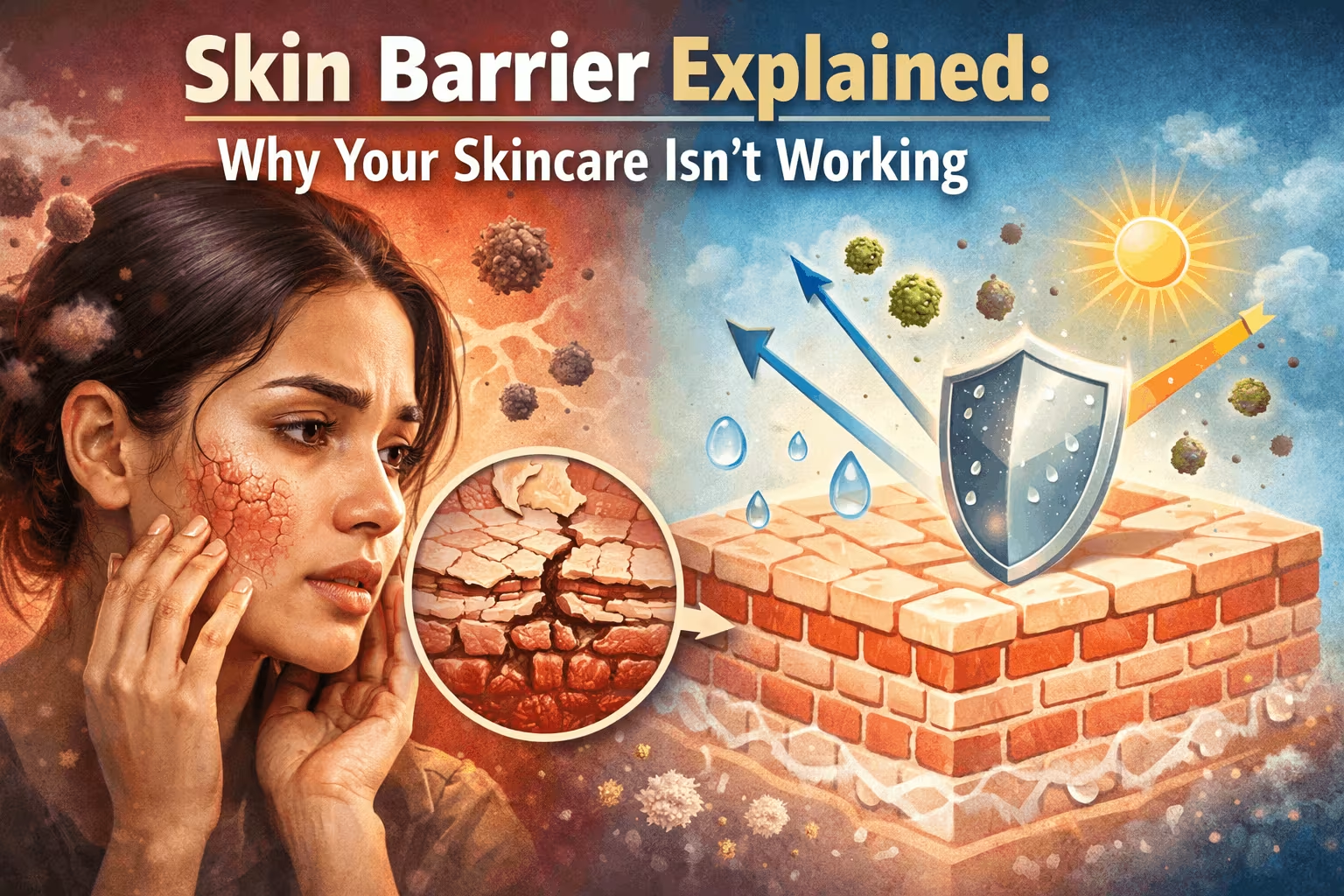
Your skin is the largest organ in your body. The outermost layer, called the epidermis, helps protect you from pollution, bacteria, and water loss. Within this layer is the skin barrier, which acts like a protective shield.
You can think of the skin barrier like a brick wall. Skin cells are the bricks, and natural lipids such as ceramides and fatty acids are the mortar holding everything together. When this barrier is healthy, skin feels smoother, looks more even, and retains moisture better.
However, when the barrier is weakened by over-cleansing, excessive exfoliation, sun exposure, or harsh products, moisture escapes more easily and the skin becomes more reactive. This is when dryness, irritation, roughness, and breakouts often become more noticeable.
How Your Skin Repairs Itself
Skin naturally renews itself in cycles. Over time, old skin cells shed and fresh cells move to the surface. This process tends to slow with age, stress, and poor lifestyle habits.
Collagen is another major factor in healthy-looking skin. It helps skin feel firmer and look smoother. Because natural collagen production gradually declines over time, a smart skincare routine can help support the appearance of firmer, brighter skin.
Your skin also behaves differently during the day and night. In the morning, it needs protection from sun, pollution, and environmental stressors. At night, it shifts more into recovery mode. That is exactly why morning and evening skincare routines should not be identical.
Common Signs Your Skin Needs a Better Routine
Your skin often gives early signals when it needs better care. If you notice two or more of the signs below, your skin may benefit from a structured daily skincare routine.
- Persistent Dullness: Skin looks tired, flat, or less radiant than usual.
- Frequent Breakouts: Pimples, blackheads, or congestion appear regularly.
- Uneven Skin Tone: Dark spots, post-acne marks, or redness linger.
- Dryness or Excess Oiliness: Skin feels tight and flaky or becomes greasy quickly.
- Visible Pores: Pores around the nose and cheeks appear more noticeable.
- Rough Texture: Skin feels uneven when touched.
- Sensitivity: Skin reacts easily with redness, stinging, or irritation.
- Early Fine Lines: Small lines may begin to appear around the eyes or mouth.
Best Skincare Ingredients That Actually Work
Skincare for glowing skin does not require a long list of products. A few well-chosen ingredients can do most of the work when used consistently.
| Concern | Recommended Ingredients | How They Help |
|---|---|---|
| Hydration | Hyaluronic Acid, Glycerin, Ceramides | Help draw in moisture, reduce dryness, and support the skin barrier. |
| Brightness | Vitamin C, Niacinamide, Kojic Acid, Licorice Extract | Help improve uneven tone and support a brighter look. |
| Texture and Aging Support | Retinol, Peptides, AHAs | Help refine texture and support smoother-looking skin. |
| Sun Protection | SPF 50+, Zinc Oxide, Titanium Dioxide | Help protect skin from sun-related damage and pigmentation. |
| Soothing and Antioxidant Support | Aloe Vera, Rose Water, Turmeric, Resveratrol | Help calm the skin and support a fresher-looking complexion. |
For Hydration and Moisture
- Hyaluronic Acid: Helps attract water to the skin and supports a plumper look.
- Glycerin: A gentle humectant that works well for most skin types.
- Ceramides: Help reinforce the skin barrier and reduce moisture loss.
For Brightening and Glow
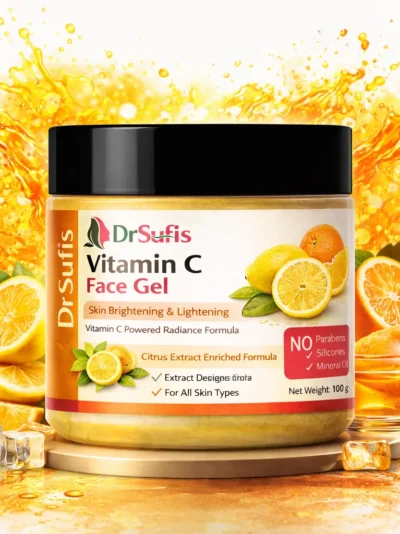
- Vitamin C: Supports brighter-looking skin and helps improve the appearance of uneven tone.
- Niacinamide: Helps balance oil, refine the look of pores, and support a more even complexion.
- Kojic Acid and Licorice Extract: Often used in products designed for pigmentation concerns.
For Anti-Aging and Repair Support
- Retinol: A popular nighttime ingredient used to support smoother-looking skin.
- Peptides: Gentle ingredients that support firmer-looking skin.
- AHAs: Lactic acid and glycolic acid can help improve texture by removing dead skin buildup.
For Sun Protection
- Broad-Spectrum SPF 50+: The most important step in any daily skincare routine.
- Zinc Oxide and Titanium Dioxide: Mineral sunscreen filters often preferred by sensitive skin types.
Natural Skincare Tips and Ingredients
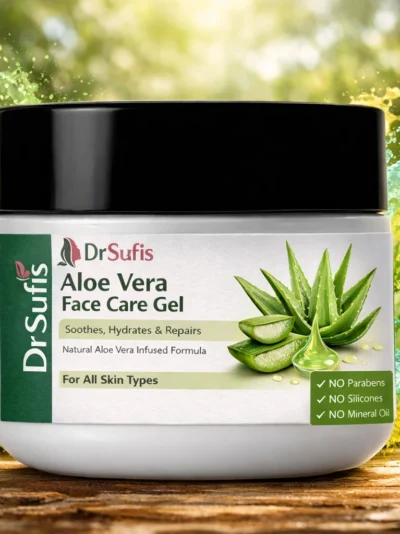
- Aloe Vera Gel: Helps soothe and hydrate the skin.
- Turmeric: A traditional ingredient known for its soothing properties.
- Rose Water: Often used as a refreshing toner step.
- Red Wine Face Gel: Often chosen for antioxidant support and daily radiance.
Pro Tip: If you are looking for a face gel for glowing skin, consider a formula that combines hydrating ingredients like hyaluronic acid with niacinamide and antioxidants such as resveratrol. A lightweight antioxidant face gel may work especially well in humid Indian weather.
Step-by-Step Skincare Routine for All Skin Types
A skincare routine works best when it is simple, realistic, and followed consistently. The exact products may vary by skin type, but the basic order remains the same.
| Time | Step | Why It Matters |
|---|---|---|
| Morning | Cleanser | Removes oil, sweat, and leftover product from the night before. |
| Morning | Toner | Adds light hydration and prepares skin for the next step. |
| Morning | Vitamin C Serum | Supports brighter-looking skin and antioxidant protection. |
| Morning | Moisturizer | Helps maintain hydration and supports the skin barrier. |
| Morning | Sunscreen SPF 50+ | Helps protect against tanning, pigmentation, and visible sun damage. |
| Night | Double Cleanse | Removes sunscreen, makeup, and pollution more thoroughly. |
| Night | Exfoliation 2–3 Times Weekly | Helps reduce dead skin buildup and improve texture. |
| Night | Treatment Serum | Targets specific concerns like acne, dullness, or texture. |
| Night | Eye Cream (Optional) | Supports hydration around the delicate eye area. |
| Night | Night Cream or Sleeping Mask | Helps lock in moisture overnight. |
Morning Skincare Routine
- Gentle Cleanser: Start with a mild, pH-balanced cleanser. Oily skin may prefer a foaming face wash, while dry skin often benefits from a cream-based cleanser.
- Toner: Choose a hydrating toner with ingredients like rose water or niacinamide.
- Vitamin C Serum: Apply a few drops to the face and neck to support glow and antioxidant care.
- Moisturizer: Use a gel moisturizer in humid weather or a cream-based moisturizer in dry weather.
- Sunscreen SPF 50+: Apply generously as the final morning step and reapply when needed.
Night Skincare Routine
- Double Cleanse: Begin with micellar water or a cleansing balm, then follow with your regular face wash.
- Exfoliate 2 to 3 Times Per Week: Use a gentle exfoliating toner or acid-based product only as tolerated.
- Treatment Serum: Retinol, niacinamide, peptides, or other targeted ingredients are often used at night.
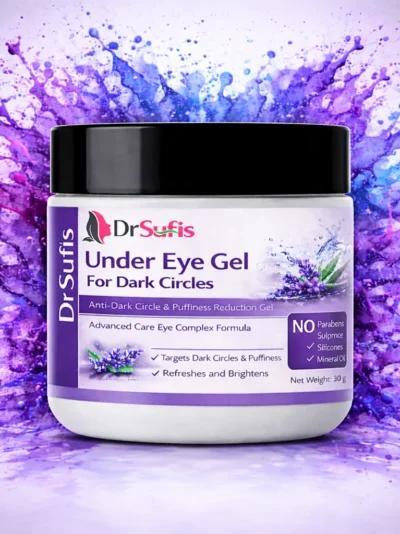
- Eye Cream: Optional, but helpful for dryness or a tired-looking under-eye area.
- Night Cream or Sleeping Mask: Finish with a richer moisturizer to reduce overnight moisture loss.
Key Insight: Apply products from thinnest to thickest texture. In most routines, serums go before moisturizers, and heavier creams go last.
Beginner Skincare Routine Guide
If you are just starting, do not begin with a 10-step routine. The best beginner skincare routine guide is very simple: cleanser, moisturizer, and sunscreen. Once you are consistent with these three steps for 4 to 6 weeks, you can add one treatment product if needed.
Many beginners make the mistake of trying too many new products at once. That often leads to irritation, confusion, and breakouts. Build your skincare routine slowly so your skin can adjust properly.
Skincare Routine for Men and Women
The basic skincare routine for men and women is largely the same. Both need cleansing, moisturizing, and sun protection. However, product texture preferences may differ. Men may prefer lighter gels, especially in hot weather, and those who shave regularly may benefit from soothing aloe-based or calming post-shave products.
Lifestyle Tips That Improve Skin Health
Even the best skincare products cannot fully compensate for poor lifestyle habits. Healthy skin is supported by both topical care and daily routines.
Diet and Skin Hydration Tips
- Drink enough water throughout the day to support overall hydration.
- Include antioxidant-rich foods such as guava, pomegranate, leafy greens, and nuts.
- Limit excess sugar if you notice it affects your skin.
- Add balanced healthy fats from foods like nuts, seeds, and avocado.
Sleep and Stress Management
- Aim for 7 to 8 hours of sleep each night whenever possible.
- Manage stress with walking, meditation, yoga, or simple breathing exercises.
- Change pillowcases regularly to keep the sleep surface cleaner.
Additional Healthy Skin Habits
- Wash your face after heavy sweating or workouts.
- Avoid touching your face with unwashed hands.
- Clean your phone screen regularly.
Common Skincare Mistakes to Avoid
- Skipping Sunscreen Indoors: Daylight exposure still reaches the skin through windows.
- Over-Washing the Face: Too much cleansing can strip the skin and worsen imbalance.
- Using Too Many Actives Together: Strong combinations may irritate the skin barrier.
- Skipping Moisturizer on Oily Skin: Oily skin still needs hydration support.
- Popping Pimples: This can increase marks and irritation.
- Not Patch Testing: Always test a new product before regular use.
- Using Wipes as the Only Cleanser: Wipes alone usually do not cleanse thoroughly.
- Ignoring Season Changes: Your routine often needs lighter or richer products depending on the weather.
How to Prevent Skin Problems Long-Term
Prevention is easier than correction. The right skincare routine plus a few practical habits can help maintain healthy-looking skin long term.
Daily Prevention Checklist
- Apply sunscreen every morning.
- Cleanse your face every night.
- Moisturize after washing while skin is still slightly damp.
- Include at least one antioxidant-rich food in your day.
- Stay hydrated and keep your routine consistent.
Seasonal Skincare Adjustments
Indian weather changes how products feel on the skin. In summer and monsoon, lighter gel-based textures may feel more comfortable. In winter, richer moisturizers and barrier-supporting products are often more useful. The best skincare routine is one that adapts with your skin’s changing needs.
When to See a Dermatologist
A home skincare routine can improve many common concerns. However, if you have severe acne, sudden pigmentation changes, persistent redness, painful breakouts, or skin irritation that does not improve, it is best to consult a dermatologist. Professional advice is especially important when symptoms are ongoing or worsening.
Conclusion: Start Your Skincare Routine Today
Healthy, glowing skin does not require a complicated routine. It starts with daily consistency, the right ingredients, and a better understanding of what your skin actually needs.
Begin with the basics: cleanse, moisturize, and use sunscreen every morning. Once that becomes a habit, add targeted products slowly. Over time, a simple skincare routine can help improve texture, support hydration, and maintain a healthier-looking glow.
The best skincare routine is the one you follow consistently.
Quick Actionable Summary
- Start with 3 essential steps: cleanser, moisturizer, and sunscreen.
- Use Vitamin C in the morning and a nighttime treatment only if your skin tolerates it.
- Double cleanse at night when wearing sunscreen or makeup.
- Choose ingredients based on your skin concern instead of following every trend.
- Do not over-exfoliate or combine too many strong actives at once.
- Adjust your routine for summer, monsoon, and winter.
- Support your skin with hydration, sleep, and balanced daily habits.
- Seek dermatology advice if your concern does not improve with routine care.
Frequently Asked Questions
Q1. What is the correct order for a skincare routine?
The usual order is cleanser, toner, serum, moisturizer, and sunscreen in the morning. At night, the routine is similar, but sunscreen is replaced with a night cream or sleeping mask. Products are generally applied from thinnest to thickest texture.
Q2. How many steps should a daily skincare routine have for beginners?
Beginners should start with just three steps: a gentle cleanser, a moisturizer, and a broad-spectrum sunscreen. Once the skin is comfortable and the routine becomes consistent, a serum or toner can be added gradually.
Q3. Is a skincare routine different for men and women in India?
The core routine is the same for both. Everyone needs cleansing, hydration, and sun protection. Men may prefer lighter textures, and regular shaving may increase the need for calming and soothing products.
Q4. How long does it take to see results from a skincare routine?
Hydration and softness may improve within a few weeks, while concerns such as uneven tone, texture, or breakouts often take longer. Consistency matters more than speed.
Q5. Which skincare ingredients should not be mixed together?
Strong combinations can sometimes irritate the skin. Many people prefer to separate Vitamin C and retinol into different routines, and to avoid using exfoliating acids and retinol together on the same night unless guided by a professional.
Suggested SEO title: Skincare Routine Guide for Healthy, Glowing Skin | Dr Sufis
Suggested meta description: Discover a complete skincare routine guide for healthy, glowing skin. Learn the right steps, ingredients, lifestyle tips, mistakes to avoid, and FAQs for Indian skin.